The Real Shark Week: What’s Normal With Your Period and 7 Signs to See a Doctor
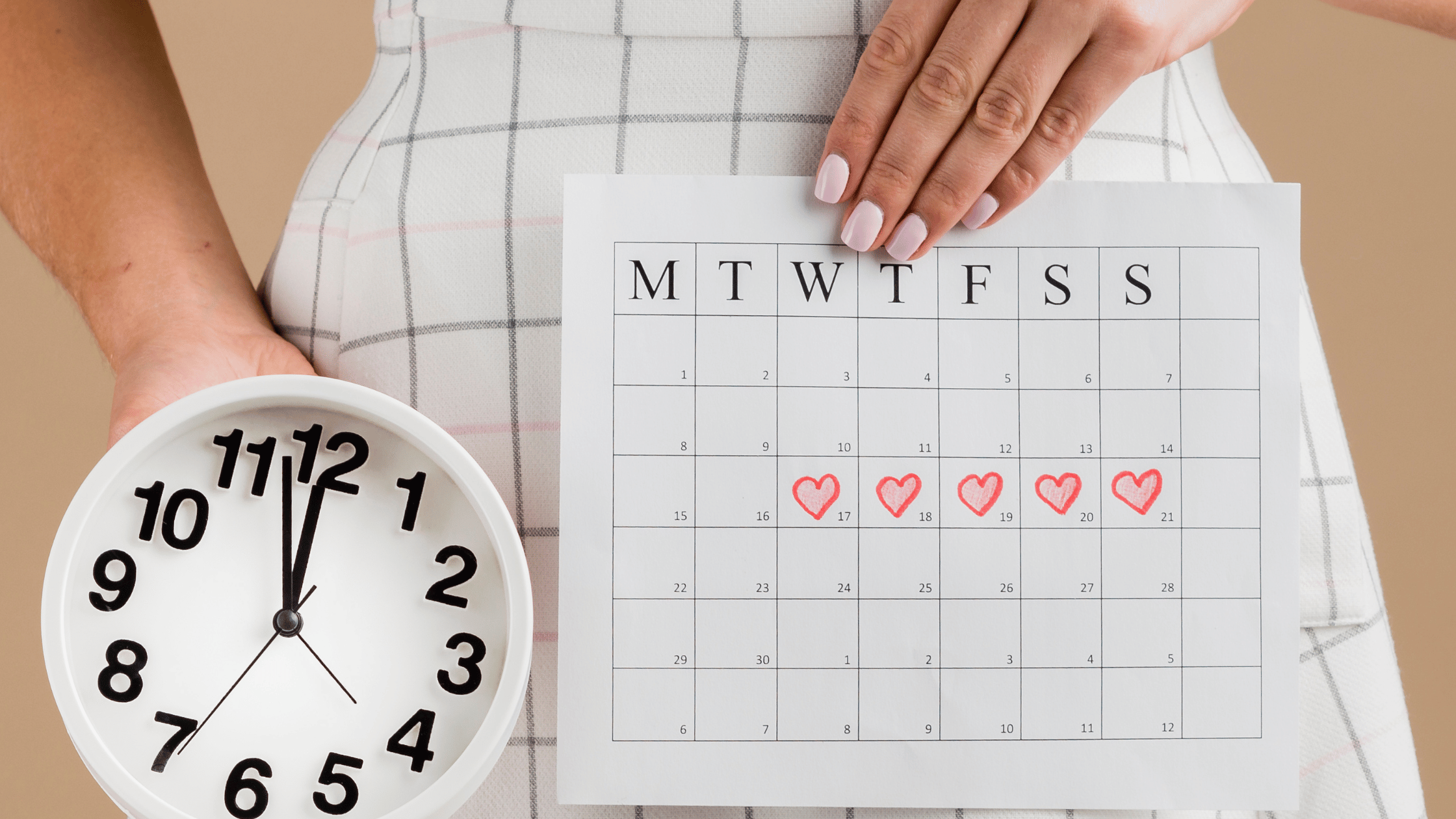
Every summer, Shark Week takes over our TVs and social feeds. But for millions of women, “Shark Week” means something completely different. Whether you jokingly call it your monthly visitor, Aunt Flo, or Shark Week, your period is more than just a few inconvenient days on the calendar. It’s one of your body’s built-in health reports, providing valuable insight into your overall health.
The problem? Many women grow up believing that severe period pain, very heavy bleeding, or irregular periods are simply part of being a woman. While some discomfort is common, not every symptom should be considered “normal.” Understanding what’s expected – and what might signal something more – can help you advocate for your health with confidence.
What a Healthy Period Typically Looks Like
Understanding what a typical menstrual cycle looks like can also help you recognize when painful periods, heavy periods, or irregular periods may be signs that it’s time to check in with your healthcare provider.
No two periods are exactly alike. What’s typical for your period might not be typical for your friend or sister. Understanding what a typical period looks like can help you recognize the difference between “yup, this is normal” and “maybe I should ask my doctor about this.”
Length:
Typically, the length of your menstrual cycle can be anywhere from 24-38 days long. Your menstrual cycle starts on day 1 of your period and goes until the start of your next period. A “normal” period (the days you are actively bleeding) can last anywhere from 2 days to 7 days.
Flow:
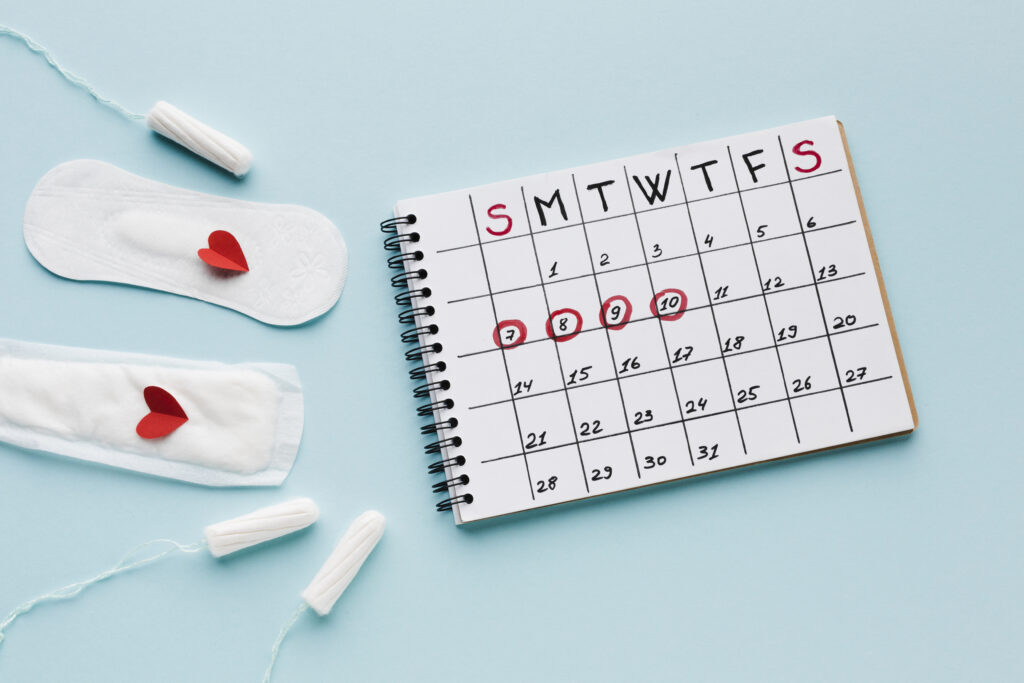
When it comes to your flow, it’s normal to have 1-2 heavier days with light to medium days for the remainder of your period. If your flow stays relatively consistent from month to month, it’s likely normal, even if it’s heavier or lighter than someone else’s. If you notice a significant change in your flow, how long your period lasts, or other changes from your usual pattern, it’s worth checking in with your gynecologist.
Symptoms:
Normal period symptoms include cramping, tender breasts, changes in mood, bloating, and digestive changes such as nausea or diarrhea. If period pains (cramping or breast tenderness) do not improve with heating pads, rest, or over-the-counter medication, it could be time to talk to your doctor and seek medical evaluation.
Also read: Best DIY Remedies for Period Pain
7 Signs Your Period Symptoms Shouldn’t Be Ignored
Your period is one way that your body communicates with you. While every cycle is a little different, certain changes or symptoms are worth paying attention to. These may not be “red flags” from your body, but they’re your body’s way of saying it’s time to check in.
1. Severe pain that interferes with daily life.
While cramping and breast tenderness are normal, pain so bad you cannot function in normal day-to-day activities is not typical. More than half of women experience pain during their period. However, pain that interferes with school, work, sleep, or daily activities deserves medical evaluation.

2. Bleeding through a pad or tampon every hour.
If you find yourself soaking through one pad or tampon for two or more consecutive hours or find it necessary to double up on pads to help control your heavy flow, this could be a sign of an underlying health condition that needs treatment.
3. Periods lasting longer than 7 days.
A typical period lasts anywhere from 2 days to 7 days. If your normal period lasts for this length of time and then shifts to lasting longer than 7 days, it’s best to discuss it with your healthcare provider.
4. Missing periods consistently (when not pregnant).
Irregular periods can happen for many reasons, including stress, weight changes, hormonal shifts, and certain medical conditions. Consistent missed periods (3 or more months in a row) when you’re not pregnant, breastfeeding, or using hormonal contraception may not be typical and should be discussed with your healthcare provider.

5. Bleeding between periods.
Spotting between periods isn’t always an emergency. You may see some spotting around ovulation, which is normal. If you find that you have heavier bleeding between your periods and not regular spotting, this could be a sign of hormonal changes, uterine polyps, infections, medication side effects, or other underlying conditions. It’s best to reach out to your doctor if you notice abnormal bleeding between periods.
6. Large blood clots.
Some blood clots are completely normal, especially on heavier flow days. If you notice clots that are the size of a quarter or larger, this should be evaluated, especially if they’re accompanied by dizziness, fatigue, or frequently soaking through pads and tampons.
7. Sudden changes in your cycle.
Any major changes from your typical period should be evaluated. If you typically have lighter periods and they suddenly are heavier for multiple months in a row, or Aunt Flo sticks around longer than expected, it could be time to be evaluated by your doctor.
Also read: Why Women Google Symptoms Before Seeing a Doctor
You Know Your Body Best
Your pain is real. Yes, periods do often hurt. But if your pain becomes severe or falls outside of what’s normal for you, listen to your body. Some women wait years for diagnoses of things like endometriosis, PCOS, adenomyosis, or uterine fibroids. You don’t have to ignore your symptoms or convince yourself they’re “just part of being a woman.”
You don’t deserve to be miserable during your period. Pain may be common, but that doesn’t mean it’s something you simply have to live with. If your symptoms are affecting your daily life, interfering with work or school, or keeping you from doing the things you enjoy, it’s worth talking with a healthcare provider.
You know your body best. If something feels off, trust that instinct. It’s always better to ask questions and find answers than to continue suffering in silence.
Also read: What to Expect During the 4 Phases of Your Menstrual Cycle
This article is intended for educational purposes only and should not be considered medical advice. Menstrual cycles vary from woman to woman, and what’s typical for one person may not be typical for another. If you experience severe pain, unusually heavy bleeding, missed periods, or other persistent changes to your menstrual cycle, consult a qualified healthcare provider for evaluation and personalized care.