What to Expect During the 4 Phases of Your Menstrual Cycle
Your menstrual cycle is more than just your period. Throughout the month, your hormones naturally rise and fall, influencing everything from your energy levels and mood to your appetite, sleep, skin, and even your workouts.
Understanding what’s happening during each phase of your cycle can help you feel more in tune with your body and better understand why your energy, mood, and symptoms change throughout the month.
While every woman’s cycle is unique, here’s what typically happens during each phase.
Note: The phases below are based on a typical 28-day menstrual cycle. Every woman’s cycle is different, so the length and timing of each phase may vary.
Menstrual Phase (Typically Days 1–5)
What’s happening during this phase?
The first day of your period marks the beginning of a new menstrual cycle. If pregnancy didn’t occur during your previous cycle, estrogen and progesterone levels drop, signaling your body to shed the uterine lining.
You might experience:
- Vaginal bleeding
- Cramps
- Fatigue
- Headaches
- Lower back pain
- Bloating
- Low energy
Some women have light, manageable periods, while others experience heavier bleeding or more intense symptoms. Both can be normal, though extremely heavy bleeding or severe pain that interferes with daily life should be discussed with a healthcare provider.
How to support your body during this phase
This is often the time to prioritize rest if you can. Gentle movement like walking, stretching, or yoga may help ease cramps for some women. Staying hydrated, eating iron-rich foods, and getting enough sleep can also support recovery while your body rebuilds.
Also read: Natural Cycles Birth Control: Is It Right for You?
Follicular Phase (Typically Days 1–13)
What’s happening during this phase?
The follicular phase overlaps with your period but continues after bleeding ends. During this time, your brain releases follicle-stimulating hormone (FSH), encouraging several follicles in your ovaries to mature. Eventually, one becomes the dominant follicle that will release an egg.
Meanwhile, estrogen levels begin rising, helping rebuild the uterine lining after menstruation.
You might notice:
- More energy
- Improved mood
- Better concentration
- Increased motivation
- Clearer skin
- Feeling more social
Many women find this is the phase where they naturally feel optimistic and productive.

How to support your body during this phase
As energy returns, you may feel ready for more challenging workouts or busy schedules. This can also be a great time to tackle projects, try something new, or reconnect socially.
Focus on eating balanced meals with lean protein, healthy fats, fruits, vegetables, and whole grains to support hormone production.
Also read: How to Work Out According to Your Menstrual Cycle
Ovulation Phase (Typically Around Day 14)
What’s happening during this phase?
When estrogen peaks, it triggers a surge in luteinizing hormone (LH), causing your ovary to release a mature egg. The egg survives for about 12 to 24 hours, making this the most fertile time of the cycle. Sperm, however, can survive in the reproductive tract for up to 5 days, which is why the fertile window extends beyond the day of ovulation.
Not every woman ovulates exactly on Day 14. Ovulation depends on the length of your individual cycle.
You might notice:
- Increased energy
- Higher libido
- Clear, stretchy cervical mucus (similar to egg whites)
- Mild pelvic pain or cramping on one side (called mittelschmerz)
- Heightened confidence
- Feeling more outgoing
Some women also notice they’re more interested in socializing or feel mentally sharp during ovulation.

How to support your body during this phase
If you’re trying to conceive, this is your fertile window. If you’re not trying to become pregnant, remember that pregnancy can occur if sperm are present during your fertile window without effective contraception.
Continue fueling your body with nutritious foods, staying hydrated, and getting enough sleep.
Also read: 7 Ways to Track Your Fertility Naturally
Luteal Phase (Typically Days 15–28)
What’s happening during this phase?
After ovulation, the follicle transforms into the corpus luteum, which produces progesterone. This hormone helps prepare the uterus for a possible pregnancy.
If pregnancy doesn’t occur, progesterone and estrogen begin to decline, eventually triggering your next period.
You might experience:
- Breast tenderness
- Bloating
- Mood changes
- Food cravings
- Fatigue
- Acne breakouts
- Difficulty sleeping
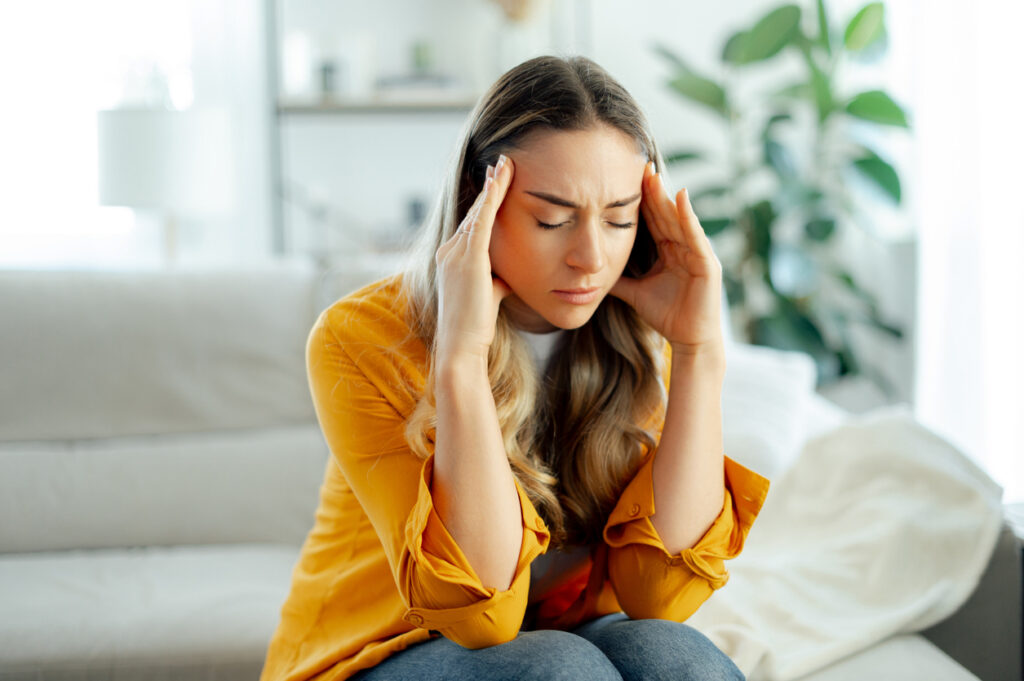
- Anxiety or irritability
These symptoms are commonly associated with premenstrual syndrome (PMS), though not everyone experiences them.
How to support your body during this phase
Many women benefit from slowing down slightly during the late luteal phase. Prioritizing sleep, managing stress, limiting excess sodium if bloating is bothersome, and choosing fiber-rich foods may help reduce symptoms.
Gentle exercise, mindfulness practices, and staying hydrated can also help support emotional and physical well-being.
Also read: The Three Foundations of Women’s Health: Sleep, Nutrition & Exercise
Why Your Cycle Doesn’t Always Look Like a Calendar
The often-quoted 28-day cycle is simply an average. A typical menstrual cycle length can range anywhere from 21 to 35 days for most adults.
Stress, travel, illness, significant weight changes, breastfeeding, hormonal conditions like polycystic ovary syndrome (PCOS), thyroid disorders, and the years leading up to menopause can all affect cycle length and symptoms.
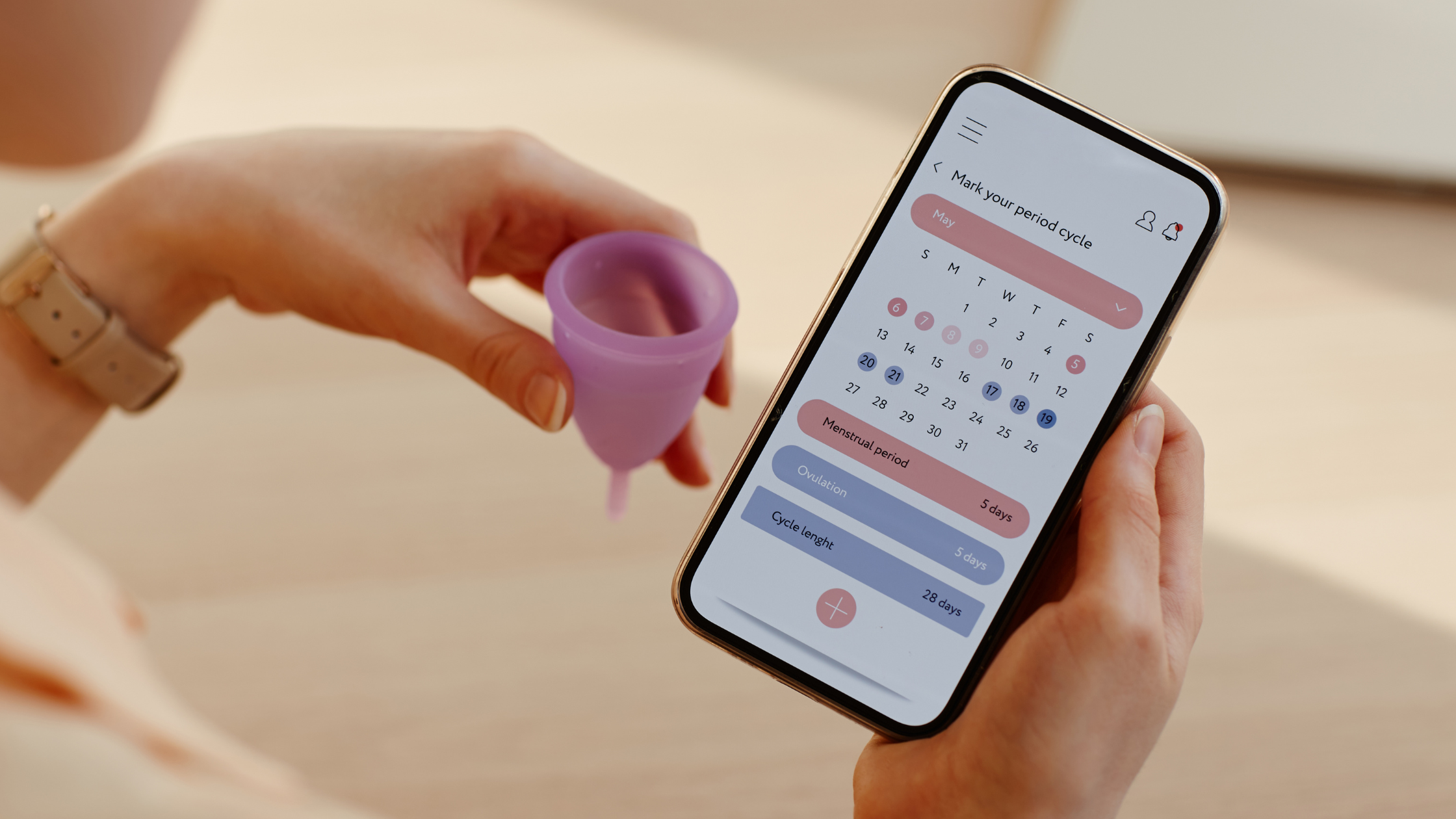
Tracking your cycle over several months can help you recognize what’s normal for your body. Many women find that using a calendar, journal, or cycle-tracking app makes it easier to recognize patterns over time.
When Should You Talk to a Healthcare Provider?
While some variation is expected, certain symptoms deserve medical attention.
Consider speaking with your healthcare provider if you experience:
- Periods that are consistently extremely heavy
- Severe pain that interferes with daily life
- Bleeding between periods
- Cycles shorter than 21 days or longer than 35 days
- Periods lasting longer than 7 days
- Missed periods that aren’t explained by pregnancy
- Symptoms that suddenly become much worse than usual
- PMS symptoms that significantly affect your relationships, work, or mental health
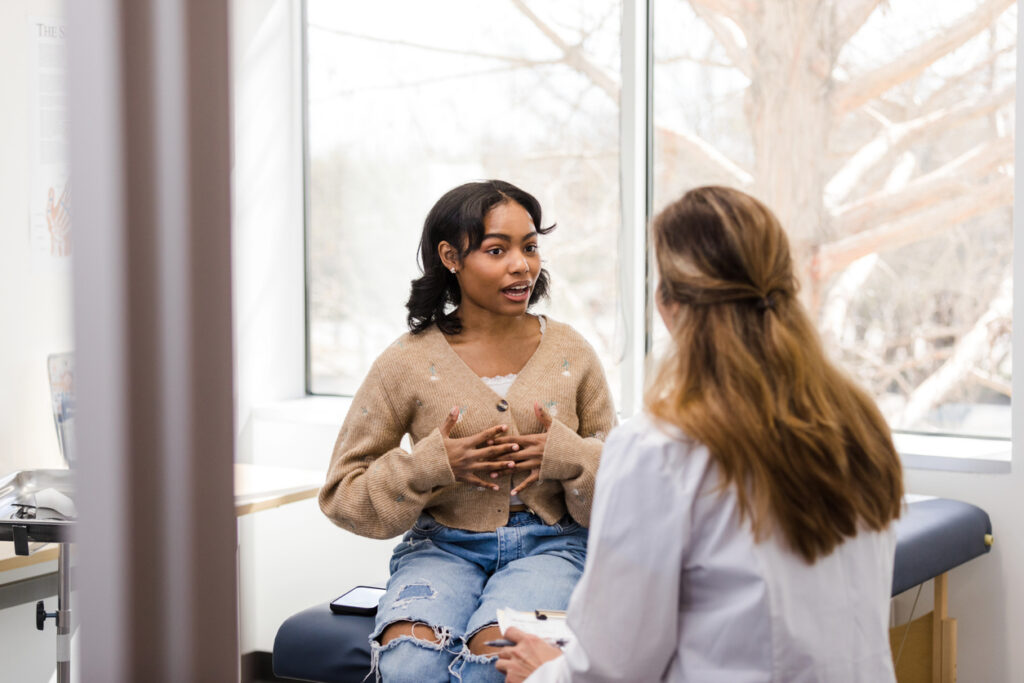
There are many treatable conditions—including endometriosis, uterine fibroids, thyroid disorders, and hormonal imbalances—that can affect your cycle.
Also read: How to Advocate for Yourself at Your OB-GYN Appointment
Your Cycle Is a Window Into Your Health
Your menstrual cycle isn’t just about fertility. It’s one of your body’s natural indicators of overall health and hormonal well-being.
Learning to recognize your own patterns can help you anticipate changes in energy, mood, and physical symptoms. It can also making it easier to notice when something feels different. Every woman experiences her cycle a little differently, and understanding what’s typical for you is one of the best ways to advocate for your health.
Rather than fighting against your body’s natural rhythm, understanding each phase can help you work with it, supporting your physical, emotional, and hormonal well-being all month long.
Read next: Perimenopause: What to Expect, What’s Normal, and Why It May Start Earlier Than You Think
This article is intended for educational purposes only and should not be considered medical advice. Every woman’s menstrual cycle is unique, and symptoms can vary based on age, health, medications, and other factors. If you have concerns about your menstrual cycle, experience severe or persistent symptoms, or notice changes that feel unusual for you, consult a qualified healthcare provider for personalized evaluation and care.