The Silent Journey to Motherhood: Finding Hope and Options in the Face of Infertility
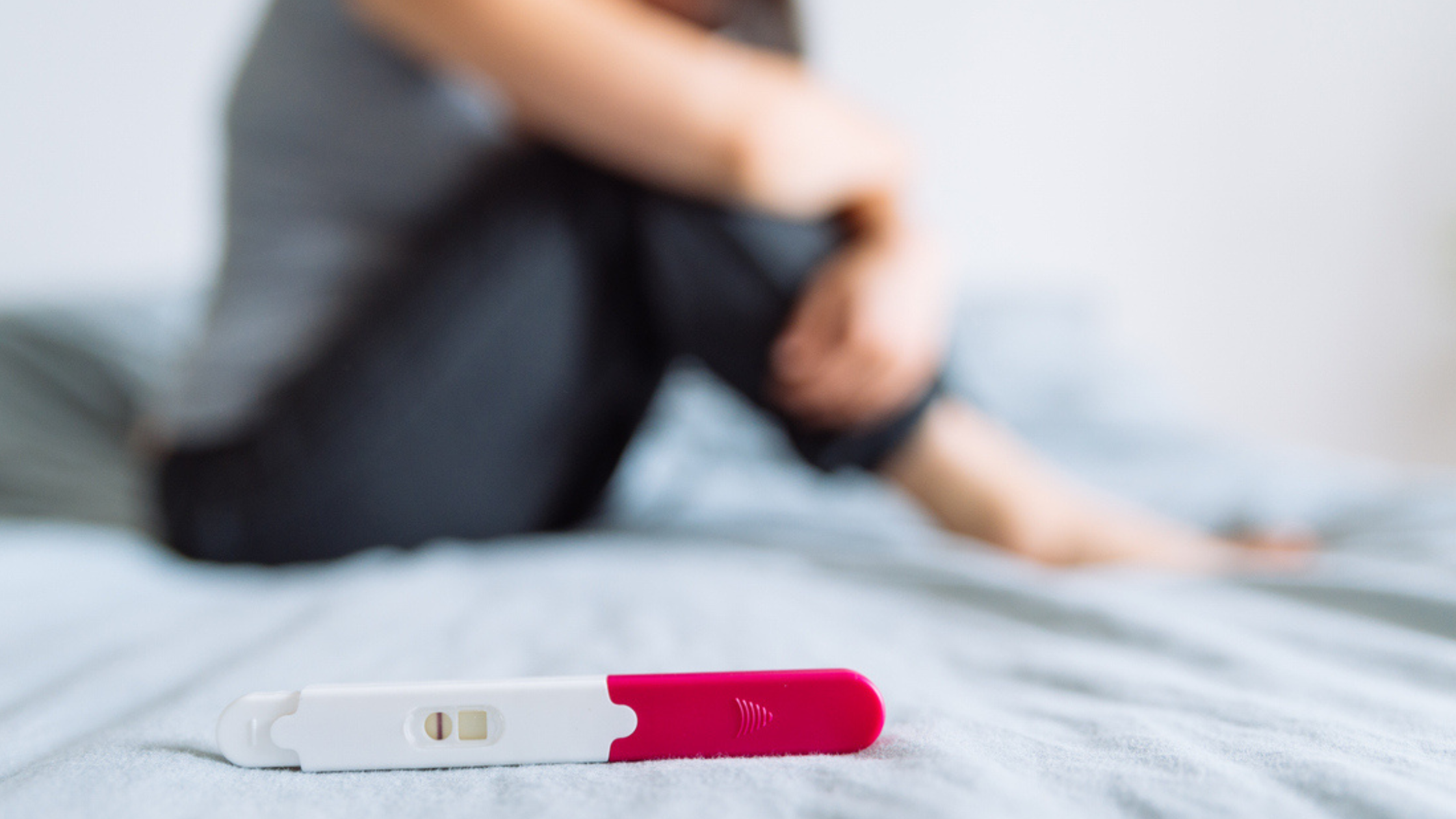
For many women, the dream of becoming a mother feels deeply woven into their identity and future. But when that journey doesn’t unfold as expected, it can bring a quiet kind of grief, one that’s often carried silently. Infertility in women is more common than many realize, yet it can feel incredibly isolating. Trying to conceive month after month, followed by disappointment can take a toll not just physically, but emotionally and mentally as well.
If this is part of your story, it’s important to hear this clearly: you are not alone, and your longing is seen.
Infertility can affect women of all backgrounds and may involve female factors, male factors, a combination of both, or causes that remain unexplained. For many women, the uncertainty itself can become one of the most emotionally difficult parts of the journey.
The Emotional Impact of Infertility in Women
Trying to conceive can become all-consuming. What may begin as excitement can slowly turn into stress, anxiety, and even shame. Social media pregnancy announcements, well-meaning questions, and the pressure of timelines can intensify that pain. For many women, it can feel like everyone else’s timeline is moving faster than your own.
But infertility is not a failure. Infertility in women is more common than many people realize, and it can be influenced by hormones, lifestyle, stress, underlying health conditions, and factors beyond anyone’s control. Your worth is not defined by your ability to conceive.

At the same time, many women find empowerment in understanding their bodies and exploring ways to support their fertility naturally.
Natural Ways to Support Fertility Health
While every fertility journey is unique, there are evidence-informed ways to support reproductive health. These approaches aren’t guarantees, but they can help create a healthier foundation for conception.
1. What to Eat: Nourishing Your Body for Hormone Balance
Hormones play a central role in ovulation, cycle regulation, and overall fertility, and what you eat directly impacts how those hormones function. Instead of focusing on restriction, think about adding in nutrient-dense, hormone-supportive foods that help your body feel nourished and balanced.
Here are some specific foods to prioritize:
Healthy Fats (for hormone production)
Healthy fats play an important role in hormone production and regulation.
- Avocados
- Extra virgin olive oil
- Nuts (almonds, walnuts, Brazil nuts)
- Seeds (chia seeds, flaxseeds, pumpkin seeds)
- Fatty fish like salmon and sardines
Protein (for blood sugar balance + ovulation support)
Protein helps stabilize blood sugar, which is key for hormone regulation.
- Eggs (especially pasture-raised if possible)
- Chicken and turkey
- Grass-fed beef
- Lentils and chickpeas
- Greek yogurt or cottage cheese
Leafy Greens & Vegetables (for essential nutrients)
Rich in folate, iron, and antioxidants that support reproductive health.
- Spinach
- Kale
- Arugula
- Broccoli
- Brussels sprouts
- Asparagus
Complex Carbohydrates (for sustained energy + hormone stability)
These help avoid blood sugar spikes that can disrupt hormones.
- Sweet potatoes
- Quinoa
- Brown rice
- Oats
- Whole grain bread (minimally processed)
Nutrient-Rich Foods That Support Reproductive Health
Certain vitamins and minerals are especially supportive:
- Berries (antioxidants for egg health)
- Citrus fruits (vitamin C)
- Pumpkin seeds (zinc)
- Eggs and liver (choline)
- Beans and lentils (iron + folate)
Also read: The Three Foundations of Women’s Health: Sleep, Nutrition & Exercise
2. Key Supplements for Fertility Support
Before starting any supplement, it’s wise to consult with a healthcare provider. That said, some commonly recommended options include:
- Folate or methylated folate – supports early fetal development and ovulatory health
- Vitamin D – plays a role in hormone regulation; many women are deficient
- Omega-3 fatty acids – support egg quality and reduce inflammation
- CoQ10 (Coenzyme Q10) – may help improve egg quality, especially as women age
- Magnesium – supports stress reduction and hormone balance
- Inositol – often recommended for women with hormonal imbalances, including PCOS

3. Supporting Hormones Naturally
Hormonal health is deeply connected to lifestyle rhythms.
Some supportive practices include:
- Prioritizing sleep (7–9 hours nightly) to regulate cortisol and reproductive hormones
- Reducing chronic stress, which can disrupt ovulation
- Tracking your cycle to understand ovulation patterns
- Exploring supportive practices like acupuncture or wellness practices such as seed cycling, which some women personally find helpful
Stress alone is not usually considered a direct cause of infertility in women, but chronic stress can affect hormone regulation and reproductive health.
Also read: How Stress Affects Women Differently (And What You Can Do About It)
When to Seek Medical Support for Fertility Challenges: Understanding Progesterone
While natural approaches can be powerful, there are times when your body may need additional support—and that’s where medical guidance becomes essential.
One key hormone in fertility is progesterone. Often called the “pregnancy hormone,” progesterone plays a critical role after ovulation by helping prepare the uterine lining for implantation and supporting early pregnancy. If levels are too low, it can make it more difficult for a fertilized egg to implant or for a pregnancy to be sustained.
Some women experience what’s known as a luteal phase defect, where the body doesn’t produce enough progesterone after ovulation, a factor that may contribute to infertility or fertility challenges for some women. This can sometimes show up as:
- Short menstrual cycles
- Spotting before a period
- Difficulty maintaining early pregnancy
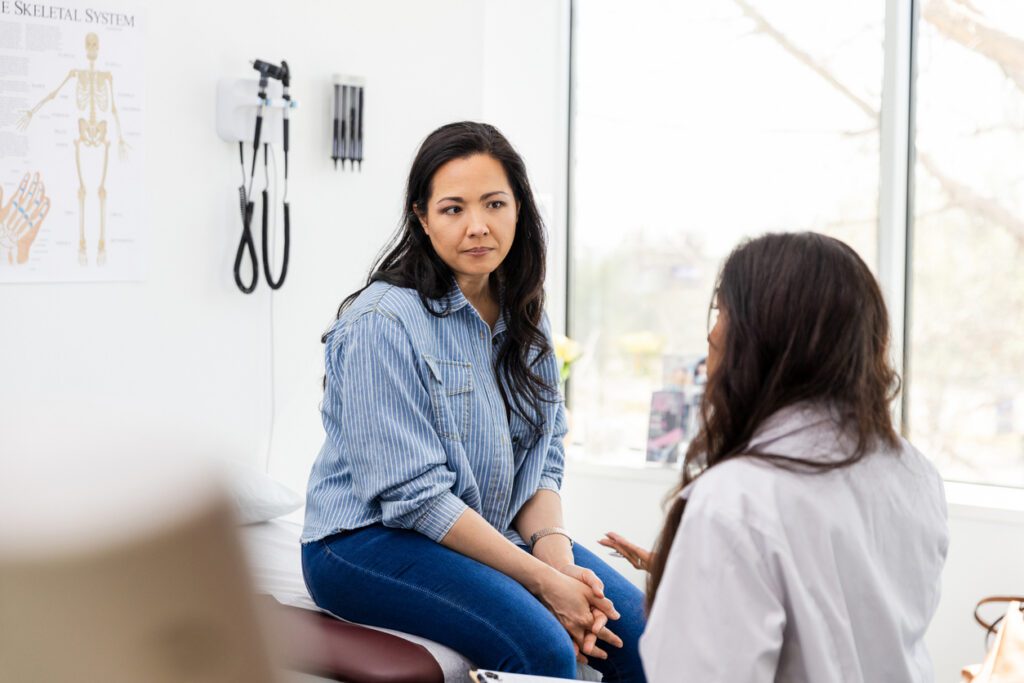
If you suspect something may be off, it’s worth having a conversation with your doctor. In some cases through simple blood tests or cycle tracking, they can evaluate your hormone levels and determine whether progesterone support could help.
Progesterone Support Options
If needed, doctors may recommend:
- Progesterone supplements (oral, topical, or vaginal)
- Ovulation-support medications that help your body produce more progesterone naturally
- Monitoring your cycle more closely to time support effectively
These interventions are relatively common and can be a helpful bridge for women whose bodies just need a little extra support to sustain early pregnancy.
Partnering With Your Body and Your Doctor
There’s strength in doing what you can naturally, and there’s also wisdom in knowing when to invite medical support into your journey. Seeking help is not a sign of failure. It’s a proactive step toward understanding your body and giving yourself the best possible chance.
Also read: How to Advocate for Yourself at Your OB-GYN Appointment
Different Paths to Motherhood
For some women, natural conception happens with time and support. For others, the path may look different, and that doesn’t make it any less meaningful.
Adoption is a beautiful and life-giving way to become a mother. It is not a “second-best” option, but a different path filled with its own depth, love, and purpose. Many families are built this way, and many children find the care and belonging they deeply need.
There are also other paths to motherhood—fertility treatments, surrogacy, or fostering—that may become part of your story. Every journey looks different, and each one carries its own challenges, beauty, and meaning.
Infertility in Women Is More Common Than You Think
If you’re walking through infertility, know this: your story matters. Your grief is valid. And you’re not the only one going through it.
There is no one-size-fits-all timeline or outcome, and there is no shame in seeking support, whether from medical professionals, counselors, community, or trusted friends.
Motherhood is not defined by a single path. It is defined by love, by nurture, and by the courage to keep showing up even in the unknown. There is strength in continuing forward, even when the path looks different than expected.
And wherever your journey leads, you are not walking it alone.
Read next: 7 Ways to Track Your Fertility Naturally
This content is for educational purposes only and is not a substitute for medical advice, diagnosis, or treatment. If you are experiencing fertility challenges or concerns about your reproductive health, consult a qualified healthcare provider for personalized guidance.