How to Know You’re Ovulating: 10 Signs Your Body Is Trying to Tell You
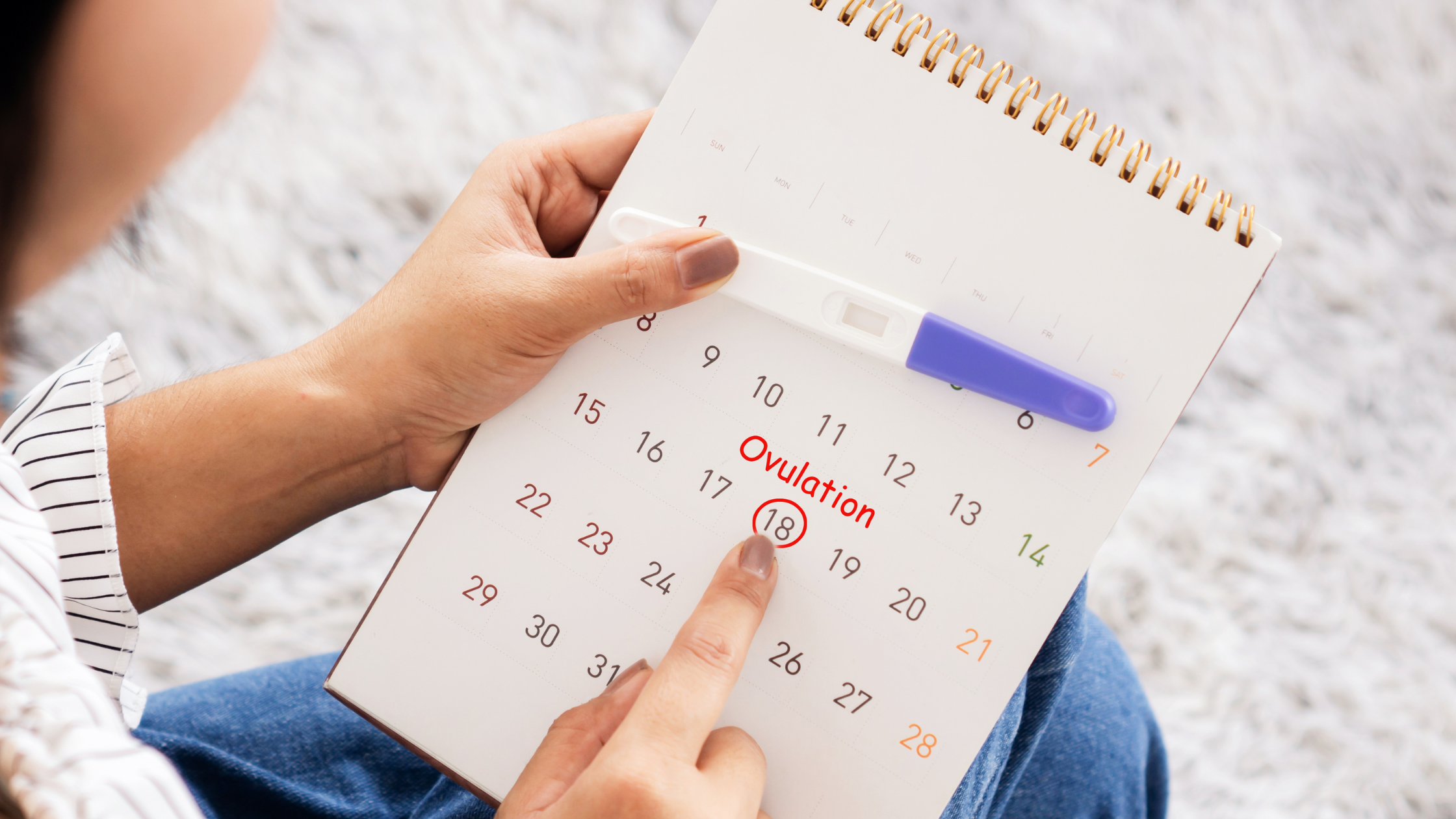
Have you ever wondered, “Am I ovulating right now?” Well, you’re not alone.
Whether you’re trying to conceive, avoiding pregnancy using fertility awareness methods, or simply getting to know your body better, understanding ovulation can help you feel more connected to your menstrual cycle and overall health.
The truth is, many women don’t actually feel the moment ovulation happens. However, your body often gives subtle (and sometimes not-so-subtle) clues that ovulation is approaching or has recently occurred.
Here’s everything you need to know about ovulation, the signs to look for, and how to track it with confidence.
What Is Ovulation?
Ovulation is the point in your menstrual cycle when one of your ovaries releases a mature egg.
Once released, the egg travels down the fallopian tube, where it can be fertilized by sperm. If fertilization doesn’t occur, the egg dissolves, hormone levels fall, and your next period begins.
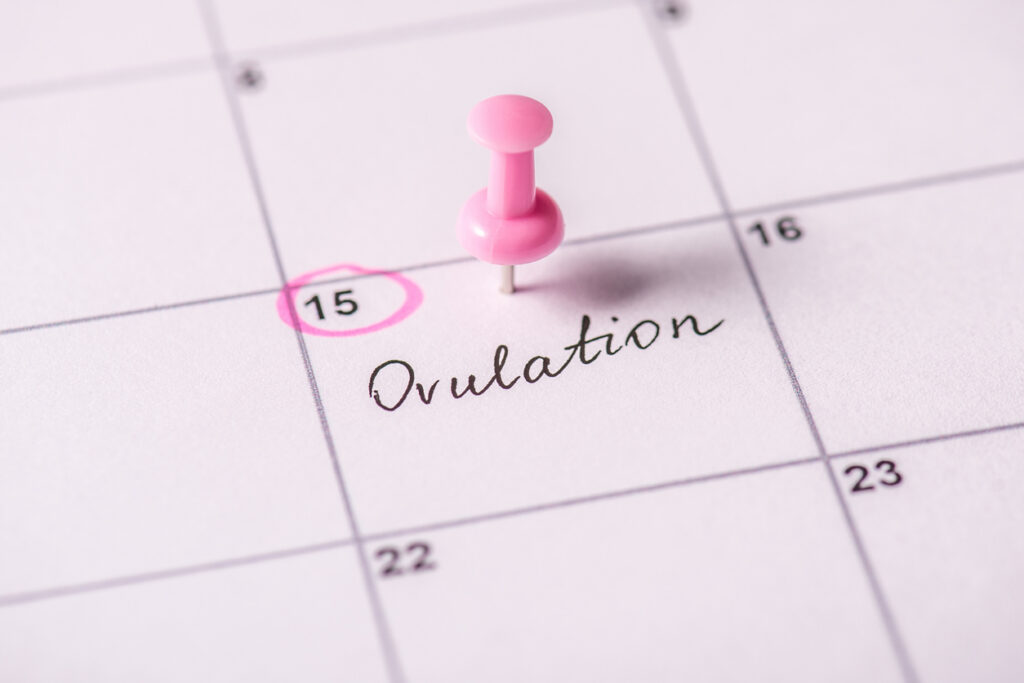
Ovulation usually happens about 14 days before your next period, not necessarily on day 14 of your cycle. This timing can vary from cycle to cycle.
For example:
- A 28-day cycle may ovulate around day 14.
- A 32-day cycle may ovulate around day 18.
- A 24-day cycle may ovulate around day 10.
Everyone’s cycle is different, which is why paying attention to your body’s signs is often more helpful than simply counting calendar days.
Also read: “Am I Pregnant?” Women Have Been Asking This Forever—Here’s How We Finally Got Answers
When Are You Most Fertile?
Your fertile window includes:
- The five days before ovulation
- The day of ovulation (and up to about 24 hours afterward)
Why?
Sperm can survive inside the female reproductive tract for up to five days, while an egg only survives 12–24 hours after it’s released. That means pregnancy is most likely if sperm are already waiting when ovulation occurs.
Also read: Early Pregnancy Symptoms: What You Need to Know
10 Signs You May Be Ovulating
No single symptom guarantees you’re ovulating, but several signs together can paint a much clearer picture.
1. Your Cervical Mucus Changes
One of the most reliable natural signs of how to know you’re ovulating is a change in cervical mucus. Throughout your cycle, cervical mucus changes in response to estrogen.
As ovulation approaches, it becomes:
- Clear
- Slippery
- Stretchy
- Often described as raw egg whites
This type of mucus helps sperm travel more easily toward the egg. After ovulation, cervical mucus usually becomes thicker, creamier, or dries up altogether.
2. You Notice Mild Pelvic Pain
Some women experience mittelschmerz, a German word meaning “middle pain.”
This can feel like:
- A dull ache
- Mild cramping
- A quick sharp pain
- Pressure on one side of the pelvis
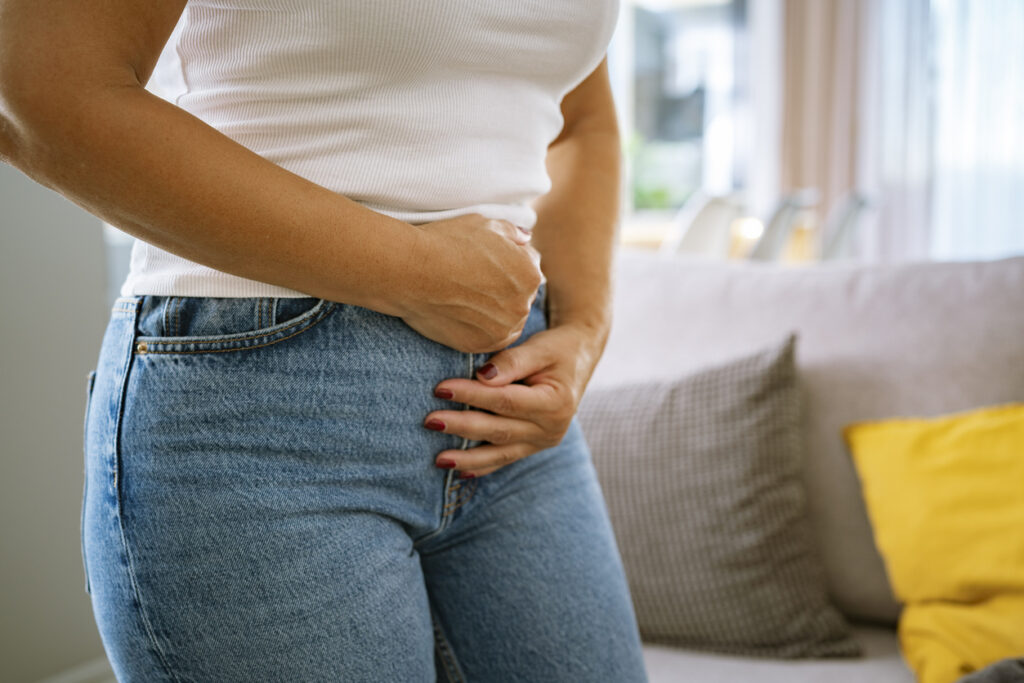
The discomfort typically lasts anywhere from a few minutes to several hours, though it can occasionally continue for a day or two. Not everyone experiences ovulation pain, and that’s completely normal.
3. Your Basal Body Temperature Rises
Your basal body temperature (BBT) is your body’s resting temperature immediately after waking. After ovulation, the hormone progesterone causes your temperature to rise slightly—usually by about 0.5–1°F (0.3–0.6°C). Tracking your BBT every morning can help confirm that ovulation has already occurred, especially when combined with other signs.
Keep in mind:
- BBT predicts ovulation only after it happens.
- It works best when tracked consistently over several months.
- Illness, alcohol, poor sleep, and travel can affect readings.
4. Your Cervix Feels Different
If you’re comfortable checking your cervix, you may notice changes throughout your cycle.
During ovulation, the cervix often becomes:
- Higher in the vaginal canal
- Softer to the touch
- More open

Outside of ovulation, it’s usually lower, firmer, and more closed. Learning these changes takes practice, but some women find cervical checks helpful alongside other signs of how to know you’re ovulating.
5. Your Sex Drive Increases
Many women notice they naturally feel more interested in sex around ovulation. Researchers believe this increase in libido is driven by hormonal changes, particularly rising estrogen and testosterone levels.
You may also notice:
- Feeling more flirtatious
- Increased confidence
- More physical affection
- Greater sexual desire
It’s one of your body’s natural ways of encouraging reproduction.
6. Your Breasts Feel Tender
Learn how to know you’re ovulating by physical symptoms, such as tender breasts. Hormonal shifts around ovulation can make breasts feel:
- Sore
- Swollen
- Sensitive
- Fuller than usual
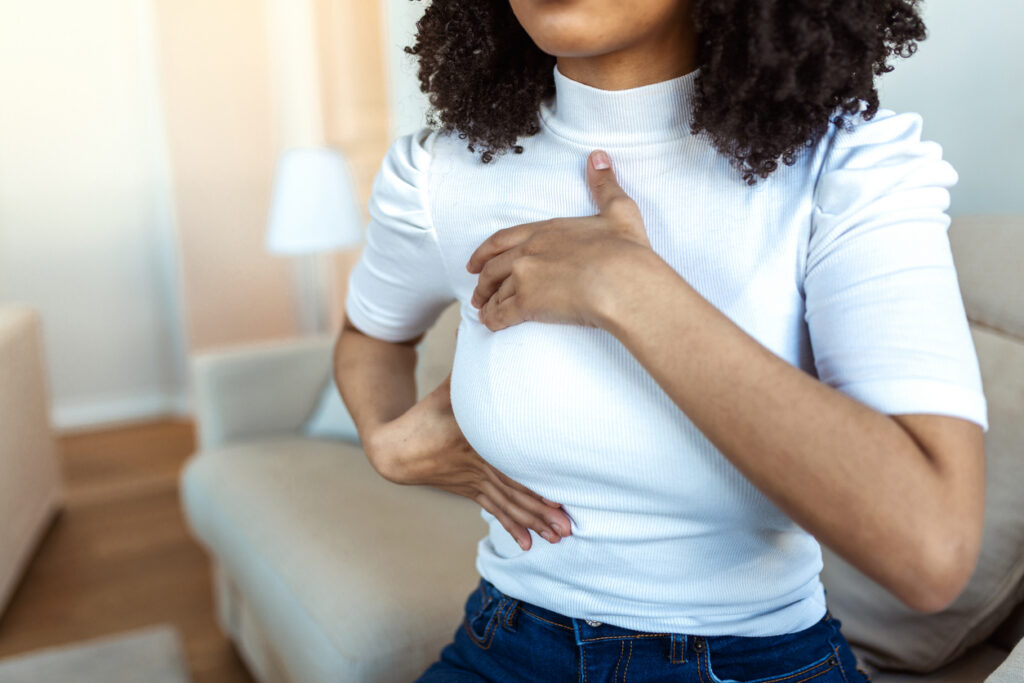
Some women experience breast tenderness before ovulation, while others notice it afterward as progesterone levels rise.
7. You Feel More Energetic
Many women report feeling their best around ovulation.
You might notice:
- Higher energy
- Better workouts
- Improved mood
- Increased motivation
- Feeling more social
This energy boost is largely thanks to rising estrogen levels.
8. Your Sense of Smell May Be Stronger
It sounds surprising, but studies suggest some women become more sensitive to scents during their fertile window and is a more subtle sign of how to know you’re ovulating.

Researchers believe hormonal changes may heighten certain senses around ovulation, though this varies widely from person to person.
9. You Experience Light Spotting
A small number of women notice light pink or brown spotting around ovulation. This may happen when hormone levels briefly fluctuate as the egg is released.
Ovulation spotting is usually:
- Very light
- Short-lived
- Not enough to fill a pad
Heavy bleeding is not considered a normal sign of ovulation and should be discussed with a healthcare provider.
10. Ovulation Predictor Kits Show a Positive Result
One of the most reliable ways of how to know you’re ovulating is by using a kit. Ovulation predictor kits (OPKs) detect the surge in luteinizing hormone (LH) that occurs 24–36 hours before ovulation. A positive LH test usually means ovulation is likely to happen within the next day or so.
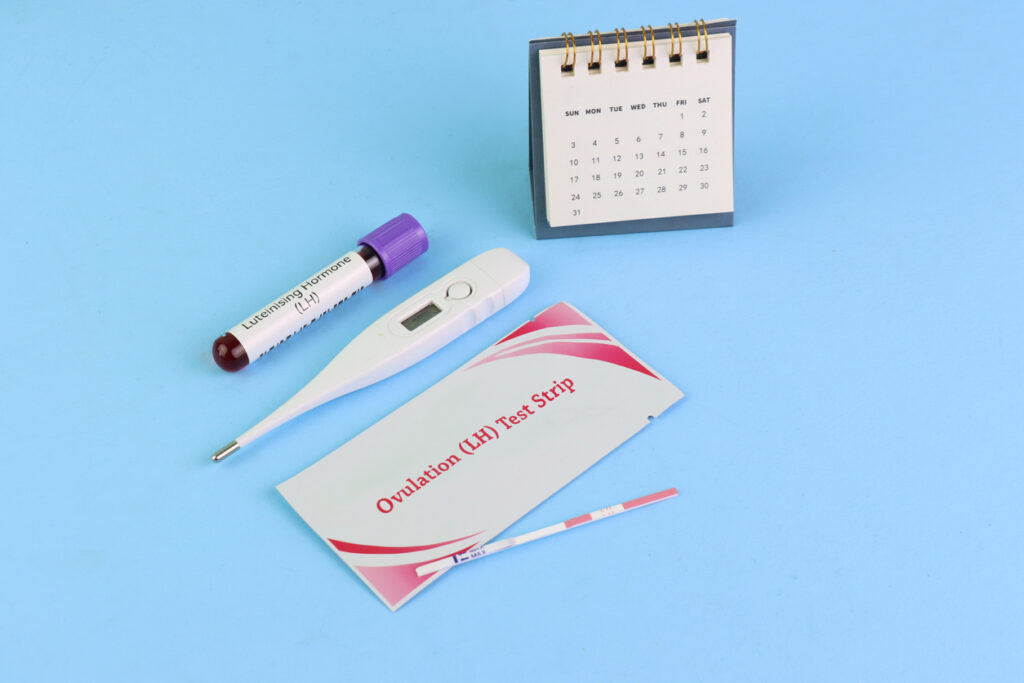
These kits can be especially helpful for women with regular cycles, though they aren’t accurate for everyone.
Certain conditions, including polycystic ovary syndrome (PCOS), may cause false positives because LH levels can already be elevated.
Also read: What to Expect During the 4 Phases of Your Menstrual Cycle
How to Track Ovulation
If you’re trying to better understand your cycle, combining multiple tracking methods often provides the clearest picture.
You can track:
- Your menstrual cycle dates
- Cervical mucus changes
- Basal body temperature
- Ovulation predictor kits
- Ovulation symptoms
- Fertility tracking apps
The more data you collect over several months, the easier it becomes to recognize your own unique patterns.
Also read: Natural Cycles Birth Control: Is It Right for You
What If You Don’t Think You’re Ovulating?
Some cycles may not include ovulation at all. These are called anovulatory cycles. It’s normal for many women to experience an occasional anovulatory cycle.
Signs you may not be ovulating include:
- Very irregular periods
- Missing periods
- Extremely long cycles (typically longer than 35–40 days)
- Constant spotting
- No noticeable fertile cervical mucus over multiple cycles
Many factors can affect ovulation, including:
- Stress
- Significant weight changes
- Intense exercise
- Thyroid disorders
- PCOS
- Perimenopause
- Certain medications
If you’re concerned that you’re not ovulating, or if you’ve been trying to conceive without success, it may be worth speaking with a healthcare provider or gynecologist. In general, it’s recommended to seek evaluation after 12 months of trying if you’re under 35, or after 6 months if you’re 35 or older. If you have irregular menstrual cycles, known health conditions, or other concerns about your fertility, you may benefit from seeking guidance sooner.
Also read: Finding Hope and Options in the Face of Infertility
Myths About Ovulation
Myth: Everyone ovulates on day 14.
Fact: Ovulation usually occurs about 14 days before your next period, but cycle lengths vary from person to person.
Myth: You always know when you’re ovulating.
Fact: Many women have no obvious symptoms at all.
Myth: You can only get pregnant on the day you ovulate.
Fact: Pregnancy is possible during the five days leading up to ovulation because sperm can survive for several days.
Myth: A regular period guarantees you’re ovulating.
Fact: While regular cycles often indicate ovulation, it’s still possible to have occasional cycles where no egg is released.
Also read: Can I Get Pregnant from Pre-Ejaculation? And Other Common Questions
When to Talk to Your Healthcare Provider
Consider making an appointment if you experience:
- No periods for three months or longer (when not pregnant)
- Very irregular menstrual cycles
- Heavy bleeding between periods
- Severe pelvic pain during ovulation
- Difficulty conceiving after 12 months of trying (or after six months if you’re 35 or older)

These symptoms don’t necessarily mean something is wrong, but they deserve a medical evaluation.
Ovulation Looks Different For Every Woman
Ovulation is one of the most important events in your menstrual cycle, but it doesn’t always announce itself in obvious ways. Paying attention to changes in cervical mucus, body temperature, energy levels, libido, and other symptoms can help you better understand when you’re most fertile. It can also help you recognize how your hormones fluctuate throughout the month.
Remember that every woman’s cycle is different. Some experience several ovulation symptoms, while others notice very few. Learning your own patterns takes time, but it can provide valuable insight into your reproductive health and help you feel more informed about what your body is doing each month.
Understanding your cycle isn’t just useful for fertility. It can also provide valuable insight into your overall health and hormonal well-being, helping you recognize what’s normal for your body and when something may be worth discussing with a healthcare provider.
Read next: 7 Ways to Track Your Fertility Naturally
This article is intended for educational purposes only and should not be considered medical advice. Ovulation signs and menstrual cycles vary from woman to woman and from cycle to cycle. While tracking ovulation can provide helpful insights, no single symptom can confirm ovulation with certainty. If you have concerns about your menstrual cycle, fertility, or reproductive health, consult a qualified healthcare provider for personalized evaluation and guidance.