Can You Tan with Sunscreen? Everything Women Need to Know About SPF
Summer is almost here, which means many of us are ready to get outside and enjoy the sunshine we’ve been waiting for. But with growing awareness around skin cancer and sun damage and skincare continuing to trend online, many women are asking the same question: Can you tan with sunscreen? And is it still okay to get a suntan?
We’re answering these questions and more as we break down sunscreen myths, how SPF works, and how to protect your skin while still enjoying the summer sun.
Sunscreen Myths Women Should Stop Believing
With tanning trends constantly circulating online, it can be hard to know what’s actually healthy for your skin.
“I only need sunscreen at the pool or the beach.”
Sunscreen is not just for beach days. For proper sun protection, women should apply sunscreen every day. Whether you’re on a hot girl walk, running errands, or driving to work, sun exposure adds up over time. Wearing sunscreen daily can help protect your skin from sunburns, premature aging, and skin cancer.
“I don’t need sunscreen. I have a base tan.”
Many people believe that if they already have a “base tan” or leftover color from previous sun exposure, they no longer need sunscreen. But according to research from Harvard Health, a base tan only provides the equivalent of about SPF 2 to 4 protection.
While a base tan may offer minimal protection, it is nowhere near enough to replace proper sunscreen use.
How SPF and Sunscreen Actually Work
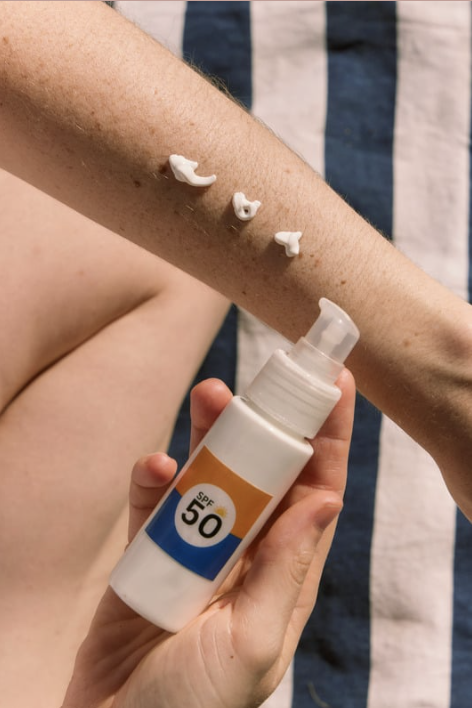
Sun Protection Factor (SPF) measures how much protection a sunscreen provides against UV radiation, which can damage the skin and cause sunburns. Most sunscreens work by either absorbing or reflecting UV rays before they penetrate the skin.
The SPF number on the bottle indicates the level of protection the sunscreen provides, not how many hours it will last. Higher SPF offers more protection from UVB rays, but no sunscreen can block 100% of the sun’s rays.
That’s why reapplying sunscreen is essential for proper skin protection, regardless of the SPF strength.
Can You Still Tan While Wearing SPF?
Yes, despite common misconceptions, you can still tan while wearing SPF. No matter your skin tone, sunscreen is important for protecting your skin from harmful UV exposure.
If you’re hoping for that summer glow, experts still recommend wearing sunscreen. While SPF helps protect your skin from UV rays, no sunscreen can block 100% of them. Because of this, your body can still react to sun exposure and produce melanin, the pigment responsible for tanning.
That said, it’s important to be mindful of sun exposure and protect your skin while spending extended time outside. Too much UV exposure can increase the risk of sun damage, premature aging, and skin cancer, especially if you have a personal or family history of skin-related conditions.
SPF does not make you immune to UV exposure; it simply reduces how much reaches the skin.
How Often Should You Reapply Sunscreen?
Most sunscreen brands recommend reapplying every two hours.
Best Sunscreen for Women and Different Skin Types
Finding the best sunscreen for women depends on your skin type, lifestyle, and personal preferences. Some women prefer mineral sunscreen, while others like chemical sunscreen because it blends more easily into the skin.
Mineral sunscreens sit on top of the skin and physically block UV rays, while chemical sunscreens absorb UV rays before they can damage the skin. Both can be effective forms of sun protection when used properly.
If you have acne-prone or sensitive skin, lightweight formulas are the best option. Popular sunscreen choices for acne-prone skin include:
The best sunscreen is the one you’ll wear consistently every day.
Risks of Tanning Without Sunscreen
While tanning may feel harmless, spending time in the sun without sunscreen can seriously damage your skin over time.
Too much sun exposure can lead to:
- Premature aging and wrinkles
- Dark spots and hyperpigmentation
- Sunburns
- Skin texture damage
- Increased risk of skin cancer, including melanoma
Even if you don’t burn easily, sun damage can still happen beneath the surface of the skin.
Go Outside and Enjoy the Sunshine!
Don’t stay inside all summer. Sunlight helps the body produce vitamin D, which plays an important role in your overall health. Vitamin D supports bone health, immune function, and mental well-being, and researchers continue to study its potential connection to conditions affecting women, including breast cancer and PCOS.
When it comes to spending time outside, be smart, stay informed, and remember to take care of yourself and your health.
Read Next: Hot Flashes & SPF: Can Summer Mess With Your Hormones?
*Disclaimer: This article is intended for informational purposes only and should not be considered medical advice. Always consult a dermatologist or qualified healthcare provider with questions about your skin health, sunscreen use, or specific medical concerns.