Why Women Google Symptoms Before Seeing a Doctor

“Maybe it’s just stress”
“It’s probably nothing”
“I’ll just wait and see if it goes away”
Many women have had these thoughts after noticing a new symptom or feeling that something is “off.” Instead of going to a doctor right away, they turn to the internet. They type a few words into a search bar and start looking for answers.
While healthcare professionals generally caution against self-diagnosing online, women’s health searches often tell a deeper story. Behind many late-night Google searches is a woman trying to understand what her body is telling her. She’s wondering if anyone else will take those concerns seriously.
Maybe you’ve heard phrases like “you’re probably stressed,” “you should lose some weight,” or everyone’s favorite, “you’re probably overthinking it.” After hearing those responses enough times, it’s easy to start questioning yourself. Many women find themselves dismissing symptoms and delaying appointments. Even convincing themselves that what they’re experiencing isn’t serious enough to warrant concern.
Why Women Turn to “Dr. Google”
When women feel dismissed, many turn to the internet before ever making it to the doctor’s office. Some may see this as irresponsible, but for many women, online searches are a way to gather information, better understand symptoms, and prepare for conversations with healthcare providers.
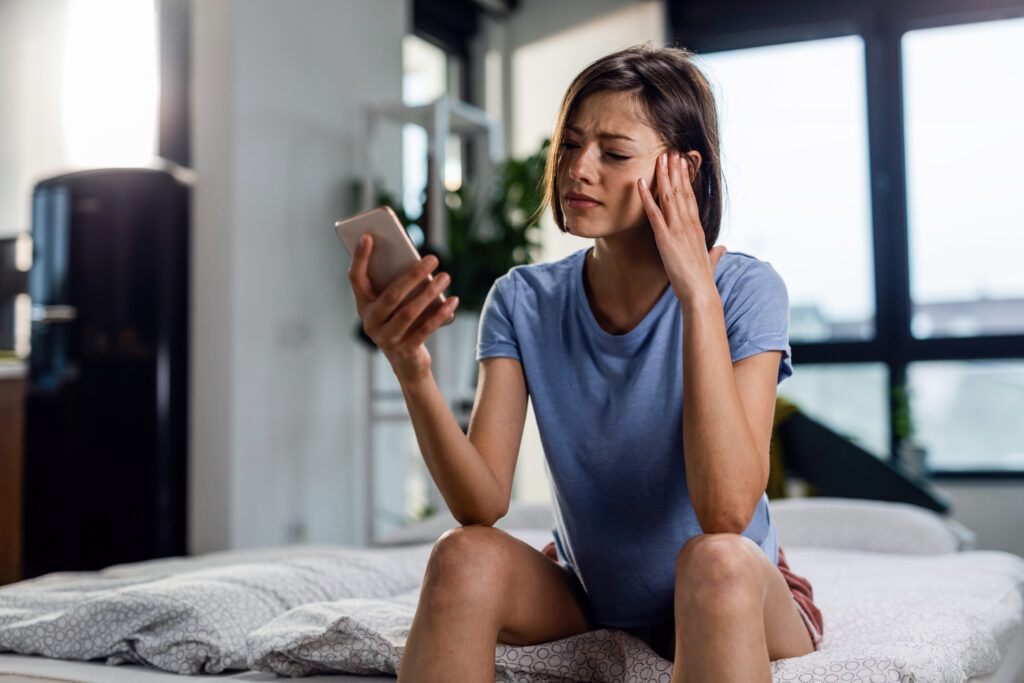
This “Dr. Google” phenomenon doesn’t mean you don’t trust the professionals. Many women turn to Google seeking information, reassurance, or language to describe what they’re experiencing. They want to have confidence before the appointment and evidence that what they’re experiencing is real. Sometimes, they just need the right language to describe symptoms. And while searching online may seem harmless, the stakes become much higher when the symptoms being dismissed point to a serious medical condition.
Also read: How to Advocate for Yourself at Your OB-GYN Appointment
When Women’s Health Symptoms Are Overlooked
Did you know that cardiovascular disease is the number one killer of women?
Recently, you may have seen the watermelon crushing challenge floating around social media. Many male content creators (and some women, too) were challenging viewers to raise money for the American Heart Association, and women’s heart health.
So why does cardiovascular disease continue to go unnoticed in so many women? Historically, heart disease is seen as more of a “man’s disease.” This is partly because women may experience heart attack symptoms differently than the classic symptoms many people recognize.
Women’s symptoms don’t always match recognized patterns
Many women experience symptoms like jaw pain, back pain, nausea, extreme fatigue, shortness of breath, or shoulder pain. These symptoms often get passed off as things like the flu, acid reflux, aging, stress, or exhaustion (sound familiar?).

Research has shown that women have historically been underrepresented in some areas of cardiovascular research, and women may experience heart attack symptoms differently than the classic symptoms many people recognize. As a result, heart disease in women can sometimes be recognized later than it should be, especially when symptoms do not fit the patterns most commonly associated with heart attacks.
Heart disease is only one example. Conditions such as endometriosis, thyroid disorders, autoimmune diseases, and PCOS have also been associated with delayed diagnosis for some women.
So when you’re googling things like “jaw pain and nausea”, you aren’t being dramatic. You’re trying to better understand what your body may be telling you and gather information before deciding what steps to take next.
Also read: Estrogen, Cholesterol, and Heart Disease: What You Should Know
Understanding Medical Gaslighting in Women’s Healthcare
What happens when women don’t trust their symptoms or feel like no one else will?
While most healthcare providers genuinely want the best for their patients, many women can relate to the frustration of feeling dismissed when something doesn’t feel right.
In recent years, the term “medical gaslighting” has gained attention as more women share stories of having symptoms attributed to stress, anxiety, or hormones. Most get a blanket answer of it just being lack of sleep or weight before additional testing was considered.
To be clear, these factors can absolutely impact health and may sometimes be the correct explanation. The concern arises when the conversation ends there.
Googling symptoms can’t replace professional healthcare
Online information can be helpful for learning about symptoms and preparing questions, but not all health information found online is accurate. Reliable sources and conversations with qualified healthcare professionals remain essential when making decisions about your health. Yet when symptoms remain unexplained, many women naturally look for answers. Conditions such as endometriosis, autoimmune diseases, thyroid disorders, heart disease, and chronic pain have all been associated with delayed diagnoses for some women, leaving many searching for information and support on their own.

In that context, a late-night Google search isn’t always about avoiding medical care. It’s often about trying to understand symptoms that haven’t yet been fully explained.
Google should never replace healthcare professionals or professional medical advice. Every woman deserves to feel heard, informed, and supported when seeking care. And while the internet can’t provide a diagnosis, it can help women learn more about their symptoms, prepare questions, and better understand their health. When millions of women are searching for answers online, perhaps the question isn’t why women are Googling, but why so many feel the have to search for answers in the first place.
Read next: A Woman’s Guide to Health Insurance: Understanding costs, coverage, and getting the care you need
This article is intended for educational purposes only and should not be used to diagnose or treat any medical condition. Information found online may not apply to your individual circumstances and should not replace advice from a qualified healthcare professional. If you are experiencing symptoms, have concerns about your health, or believe you may be experiencing a medical emergency, seek appropriate medical care promptly.