What Happens After a Miscarriage? Physical Recovery, Grief, and When to Seek Care

A miscarriage can leave you with a lot of questions: What happens to my body now? How long will I bleed? When will I feel normal again? And why does my heart still hurt when my body seems to be healing?
There isn’t one timeline for miscarriage recovery. Physical healing may happen within days or weeks, while emotional healing can take much longer. Both are real parts of recovery, and neither needs to happen on a schedule.
What happens physically after a miscarriage?
After a miscarriage, your body needs time to pass pregnancy tissue and for pregnancy hormones to decrease. Depending on your circumstances, your healthcare provider may recommend waiting for the miscarriage to happen naturally, using medication, or having a procedure to remove remaining pregnancy tissue.

You may experience:
- Vaginal bleeding or spotting
- Cramping or pelvic pain
- Fatigue
- Passing blood clots or pregnancy tissue
- Breast tenderness or other pregnancy symptoms that gradually disappear
Bleeding and spotting can continue for up to about two weeks, although experiences vary. Your next period may also take several weeks to return, and your cycle may be different from usual at first.
Your healthcare provider can tell you what to expect based on how far along your pregnancy was and how your miscarriage was managed.
Also read: Abortion, Miscarriage, and Ectopic Pregnancies: What’s the Real Difference?
How long does it take to recover from a miscarriage?
There is no single answer. Some women feel physically better within a few days. Others experience bleeding, cramping, fatigue, or hormonal changes for longer. Emotional recovery often takes much more time than physical recovery.
It’s also possible to feel several things at once. You might feel sadness, anger, relief, confusion, guilt, numbness, or even moments of normalcy. None of these feelings mean you’re grieving incorrectly.
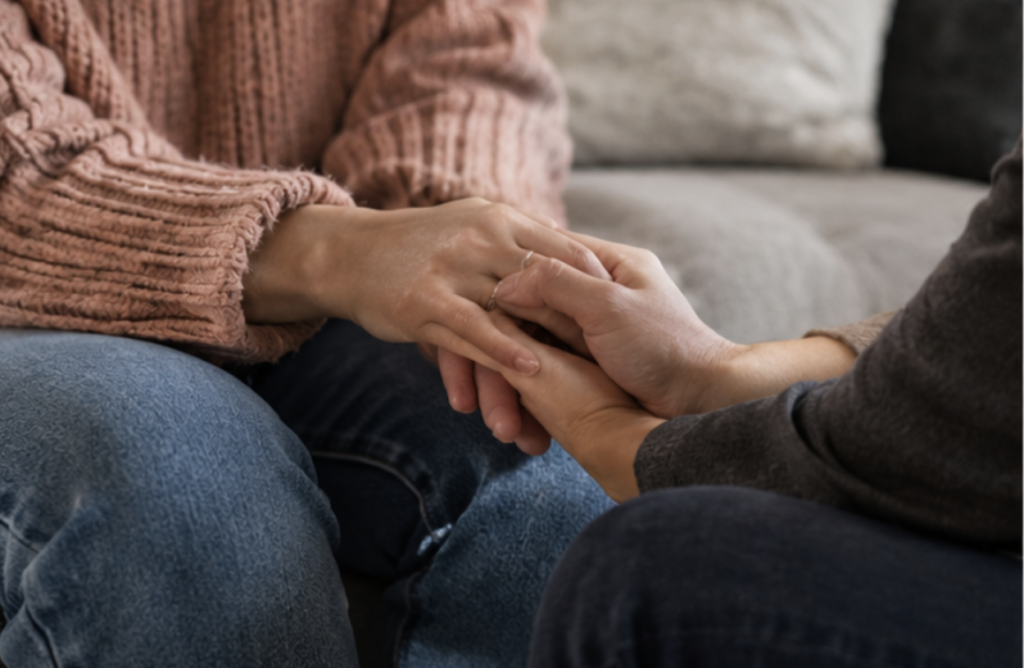
And if you’re wondering whether you caused the miscarriage: most miscarriages are not caused by something you did. Many early miscarriages happen because the pregnancy did not develop normally, often because of chromosomal abnormalities.
Miscarriage grief is real grief
Pregnancy loss can be deeply painful, even if the pregnancy was very early. You may be grieving not only the pregnancy itself, but the future you had already begun imagining. A due date, baby announcement, ultrasound appointment, or seeing someone else’s pregnancy can unexpectedly bring those feelings back.
What happens after a miscarriage with your partner? Your partner may also grieve differently. One person might want to talk about the loss while another needs space. Neither response necessarily means they cared more or less.

Give yourself permission to grieve in the way you need to. Talking with someone you trust, joining a pregnancy-loss support group, or working with a mental health professional can help. If sadness, anxiety, guilt, or stress feels overwhelming or continues to interfere with daily life, reach out for professional support.
Also read: PTSD in Women: Symptoms, Health Impacts, and How to Heal
When should you seek medical care after a miscarriage?
Some discomfort and bleeding can be expected, but certain symptoms require prompt medical attention.
Contact your healthcare provider if you experience:
- Bleeding that is very heavy or worsening
- Fever or chills
- Increasing or severe abdominal or pelvic pain
- Foul-smelling vaginal discharge
- Dizziness, weakness, or feeling faint
- Symptoms that concern you or aren’t improving
Heavy bleeding, severe pain, fainting, or shoulder pain can sometimes signal an emergency, including ectopic pregnancy, and require immediate medical evaluation. An infection can also occur if pregnancy tissue remains in the uterus. Fever, chills, abdominal pain, unusual or foul-smelling discharge, and bleeding can be warning signs.
When in doubt, it’s okay to call your healthcare provider. You don’t have to wait until your symptoms become severe to ask whether something is normal.
What about getting pregnant again?
What happens after a miscarriage should not affect your fertility or ability to conceive. It’s possible to become pregnant again relatively soon after a miscarriage. When to try again is a personal decision that can depend on your physical recovery, emotional readiness, and medical circumstances.

If you’re thinking about another pregnancy, talk with your healthcare provider about when it is appropriate for you to try again and whether you need any follow-up care.
And if you’re not ready? That’s okay, too. There is no timeline you have to follow.
Also read: The Silent Journey to Motherhood: Finding Hope and Options in the Face of Infertility
Your body may heal before your heart does
One of the hardest parts of what miscarriage recovery can be realizing that your physical symptoms may disappear before your grief does.
You don’t have to “move on” just because the bleeding stopped. You don’t have to minimize your loss because someone else has experienced one, too. And you don’t have to explain your grief to everyone around you.

Take care of your body. Give yourself space to process what happened. Let trusted people support you. And reach out for professional care when you need it.
Healing after miscarriage isn’t about forgetting. It’s about giving yourself the time, care, and support you need to heal physically and emotionally.
This article is for educational purposes only and is not intended to provide medical advice, diagnosis, or treatment. Every miscarriage and recovery experience is different. If you have experienced a miscarriage, are concerned about your symptoms, or need emotional support, speak with a qualified healthcare professional for personalized guidance, diagnosis, and treatment.
Read next: What TV Gets Wrong About Women’s Health and What We Wish It Would Show Instead