What TV Gets Wrong About Women’s Health and What We Wish It Would Show Instead
What we see on screen becomes part of what we think is normal. So when women’s healthcare is consistently sanitized, sensationalized, or flat-out ignored, we’re not just missing entertainment; we’re missing education.
Sometimes Hollywood portrays women’s health in TV and movies as a punchline and gets it wrong. Sometimes these portrayals create major misconceptions about women’s health, pregnancy, postpartum, and even menopause. Here are a few moments where TV and movies got part of the story right, where they missed important context, and what we wish they would show more often.
Trigger warning: This article includes discussions of miscarriage, pregnancy loss, and newborn death.
What The Bold Type Gets Wrong About Miscarriage
“Lost” — Season 4, Episode 13 (2020)
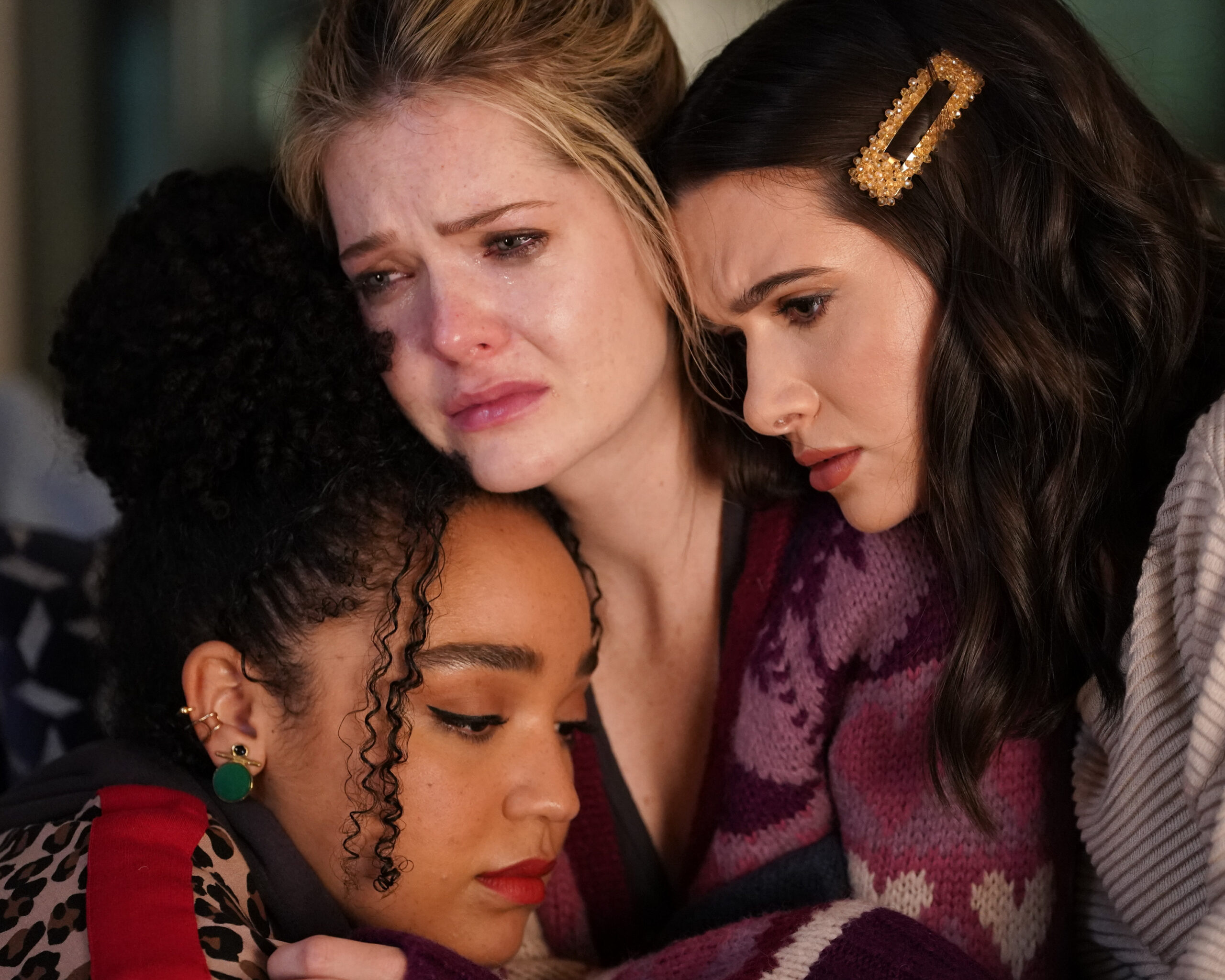
In this episode, Sutton goes in for an ultrasound and learns that there is no heartbeat. She is told that she will start bleeding within 48 hours. The doctor then tries to console Sutton and her husband by telling them that about 10% of pregnancies end in miscarriage.
This is an example of television turning a complicated medical process into a neat plot device. The 10% statistic is consistent with guidance from the American College of Obstetricians and Gynecologists (ACOG), which estimates that early pregnancy loss occurs in about 10% of clinically recognized pregnancies. But the episode doesn’t give viewers the full picture of what can happen after a miscarriage is diagnosed.
A missed miscarriage does not necessarily mean bleeding will begin within 48 hours. If a woman chooses expectant management, it may take days or even weeks for the pregnancy tissue to pass. Depending on her health and circumstances, she may also have other options, including medication or a surgical procedure. A healthcare provider can explain the risks, benefits, and what to expect with each approach.
We don’t see any of those options offered to Sutton during her appointment.
The diagnosis isn’t the end of the story. There are follow-up appointments, physical recovery, grieving, waiting, and difficult decisions. Some women want to talk about their loss, while others don’t. A miscarriage may happen in a moment, but the experience surrounding it can extend far beyond the appointment where it is diagnosed. There is so much more to pregnancy loss than what The Bold Type had time to show.
What Fleabag Gets Right About Miscarriage
This is a case where the show does some things well—but we also have some notes.
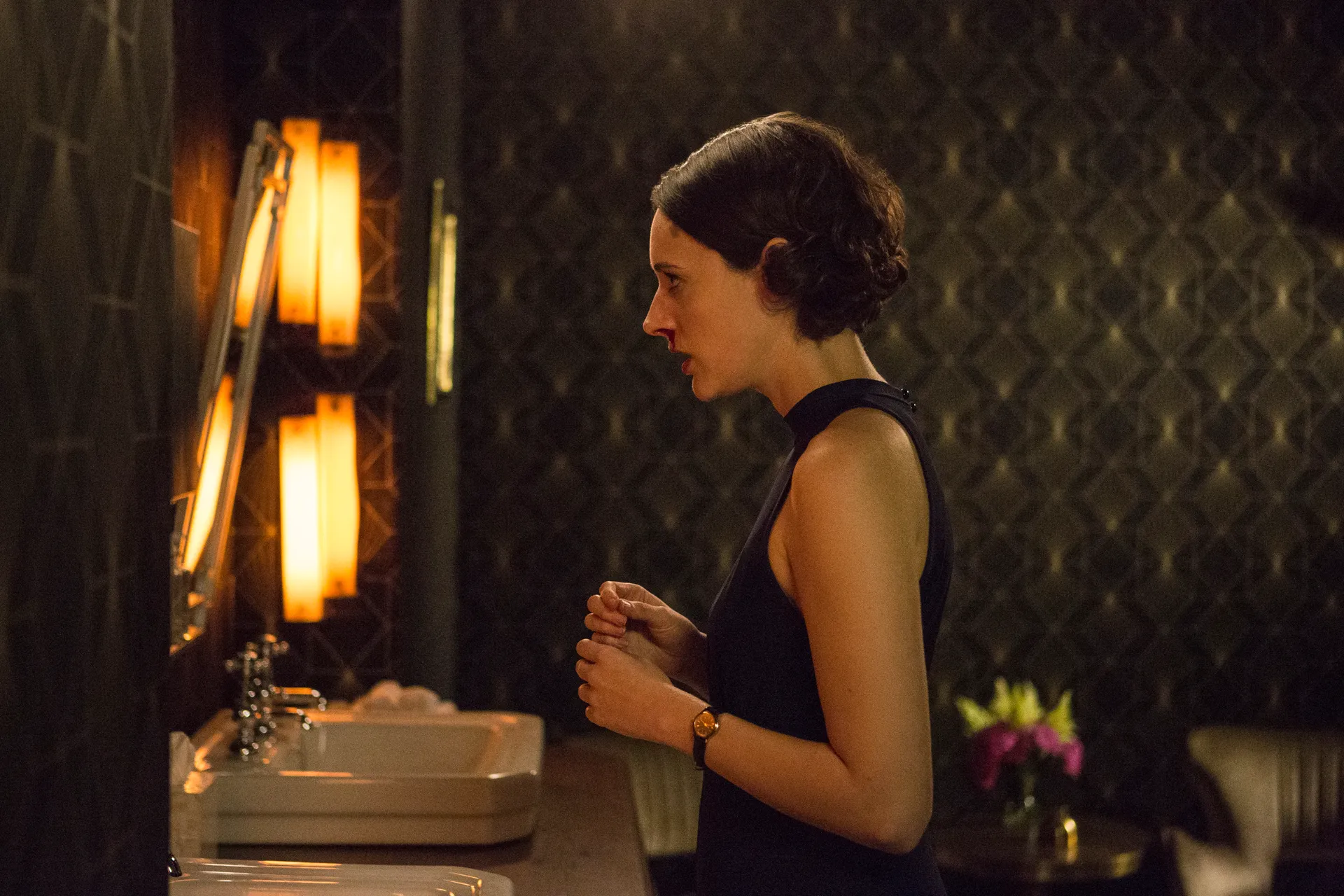
In the episode, Claire has a miscarriage while at a family dinner. When Fleabag discovers her sister in the restroom, she is understandably concerned and insists on leaving the dinner party to take her to the hospital.
What this episode does well: It shows that miscarriage can be quiet, awkward, and deeply personal. It doesn’t always come with dramatic music, a hospital bed, or an obvious crisis.
What we wish they would show: The physical experience of miscarriage can vary widely, and this episode doesn’t spend much time showing what that experience can look like physically. The physical experience of miscarriage varies from woman to woman. It can involve bleeding that ranges from light to heavy, cramping, pain, and the passage of pregnancy tissue. Some women may also need follow-up care to confirm that the miscarriage is complete. Heavy bleeding, severe or worsening pain, fever, or other concerning symptoms should be discussed promptly with a healthcare provider.
The quietness of Claire’s experience is valuable to show—but so is the reality that miscarriage can be physically demanding and medically complicated.
What Pieces of a Woman Shows About Home Birth
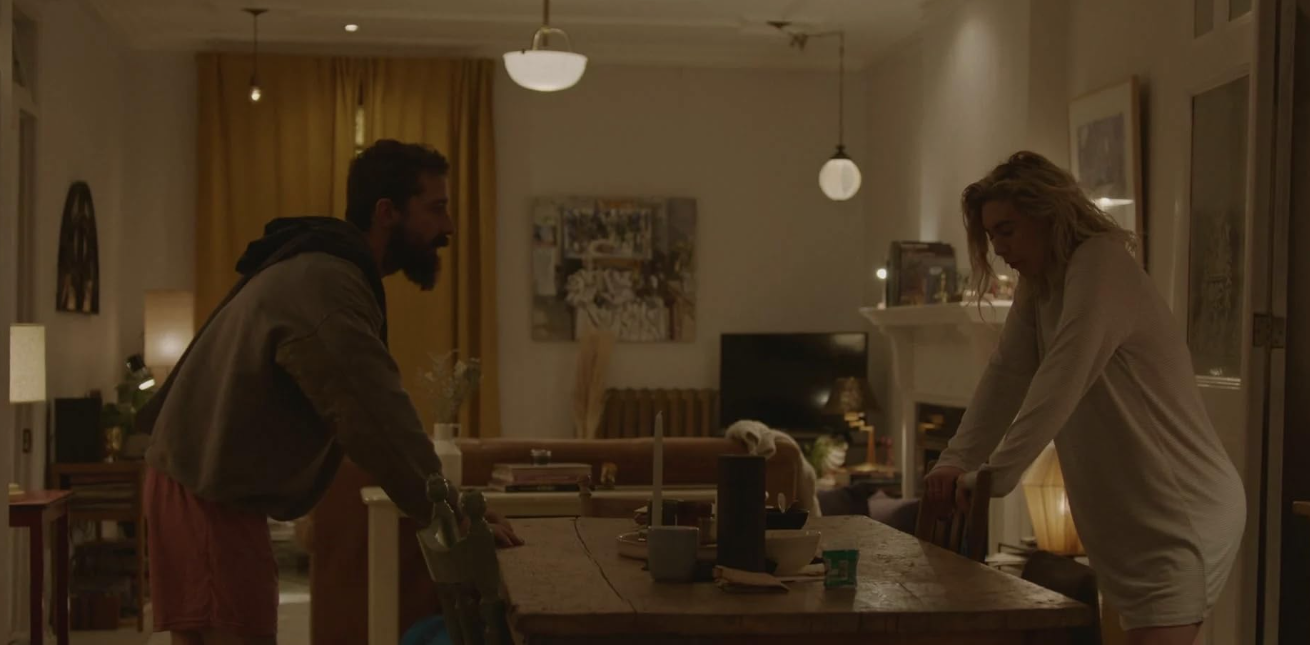
This movie begins with an extremely intense home-birth sequence that ultimately ends with the loss of the baby.
The scene has drawn criticism for how it portrays the midwife’s ability to respond when the baby stops breathing. The concern is not simply that the birth takes place at home. Planned home birth can be an option for some women with low-risk pregnancies when appropriate safeguards and qualified care are in place.
In the movie, the midwife appears to have only a few basic pieces of equipment, including a stethoscope and fetal Doppler. When the baby stops breathing, we see very little of the emergency response or newborn resuscitation preparation that would normally be part of care from a qualified birth professional.
What we wish they showed instead: Midwives are trained to monitor both mother and baby, recognize complications, respond to emergencies within their scope of practice, and know when a higher level of care is needed. For a planned home birth, qualified midwifery care also includes preparing for the possibility of an emergency and having a clear plan for timely transfer to a hospital if complications arise.
What we wish Hollywood showed more clearly is that a tragic outcome does not, by itself, tell us that the birth setting caused it. A more complete portrayal would show the training, preparation, monitoring, and emergency planning that are part of responsible home-birth care.
What We Wish TV Showed More About Women’s Health
Maternal Mental Health
Maternal mental health goes far beyond whether a new mom feels happy. Depression, anxiety, and other mental health conditions during the postpartum period can affect mood, sleep, concentration, daily functioning, relationships, and a mother’s ability to care for herself.
Frankie’s story in Workin’ Moms highlights how important it is to recognize when something feels off – and taking those changes seriously. When Frankie’s spouse realizes that she is struggling, she encourages her to seek professional support rather than simply writing it off as the “baby blues.”
Workin’ Moms shows a mother whose mental health has deteriorated to the point that it affects her ability to safely function. And that matters.
Maternal mental health isn’t a character flaw, and needing help doesn’t make someone a bad mother.
We need more stories that show postpartum mental health as part of women’s health—not as a character flaw or a sign that someone is a bad mother. Symptoms can affect every part of a woman’s life, and professional support and treatment can make a meaningful difference.
Menopause and Perimenopause
Menopause rarely becomes a substantial storyline on TV. More often, it becomes a joke or a punchline.
In Season 1, Episode 9 of And Just Like That…, Charlotte experiences what the show calls a “flash period” and bleeds through a white outfit. Perimenopause can cause menstrual cycles to become shorter, longer, or less predictable, and bleeding may become heavier or lighter. So the underlying experience is certainly relatable. But significant changes in bleeding should not automatically be written off as perimenopause. Heavy bleeding, bleeding between periods or after sex, and any bleeding after menopause are reasons to talk with a healthcare provider.
The storyline is played for comedy, but it doesn’t fully unpack the broader health implications of perimenopause. While the white-jumpsuit joke is funny, women deserve more than a punchline.
On the flip side, the British comedy The Change centers around a 50-year-old woman whose symptoms initially make her fear that she is experiencing early-onset dementia, only to learn that menopause may be playing a role. Unlike most shows, menopause isn’t a side plot – it’s the entire premise.
The show explores brain fog, heavy bleeding, exhaustion, identity, sex, relationships, and other changes that can accompany this stage of life. Its creators have also spoken about how rarely television gives menopause a substantial storyline – something we need to see more of.
Women’s Health Deserves the Full Story
What people see on screen can influence how they understand women’s health. And while there are plenty of creators who get these stories right, women’s health is still too often reduced to a plot twist, a punchline, or a few minutes of screen time.
Women deserve to see more than the dramatic moment when something goes wrong.
We want to see the appointment afterward. The follow-up care. The treatment options. The questions women are afraid to ask. The physical recovery that doesn’t happen overnight. The mental health struggles that aren’t resolved in a single conversation. And the symptoms that may look small on screen but feel impossible to ignore when you’re living with them.
Because women’s health isn’t a plot device.
It’s real life—and women deserve to see more of that reality reflected on screen.
READ NEXT: Why Women Google Symptoms Before Seeing a Doctor
This article is for educational and informational purposes only and is not a substitute for professional medical advice, diagnosis, or treatment. Experiences with miscarriage, pregnancy, birth, postpartum mental health, perimenopause, and menopause can vary widely. If you have questions or concerns about your health or symptoms, talk with a qualified healthcare professional. Seek prompt or emergency medical care for severe or worsening symptoms, heavy bleeding, severe pain, thoughts of harming yourself or someone else, or any other medical emergency.