Why Horror Movies Feel Comforting: The Psychology of Getting Scared
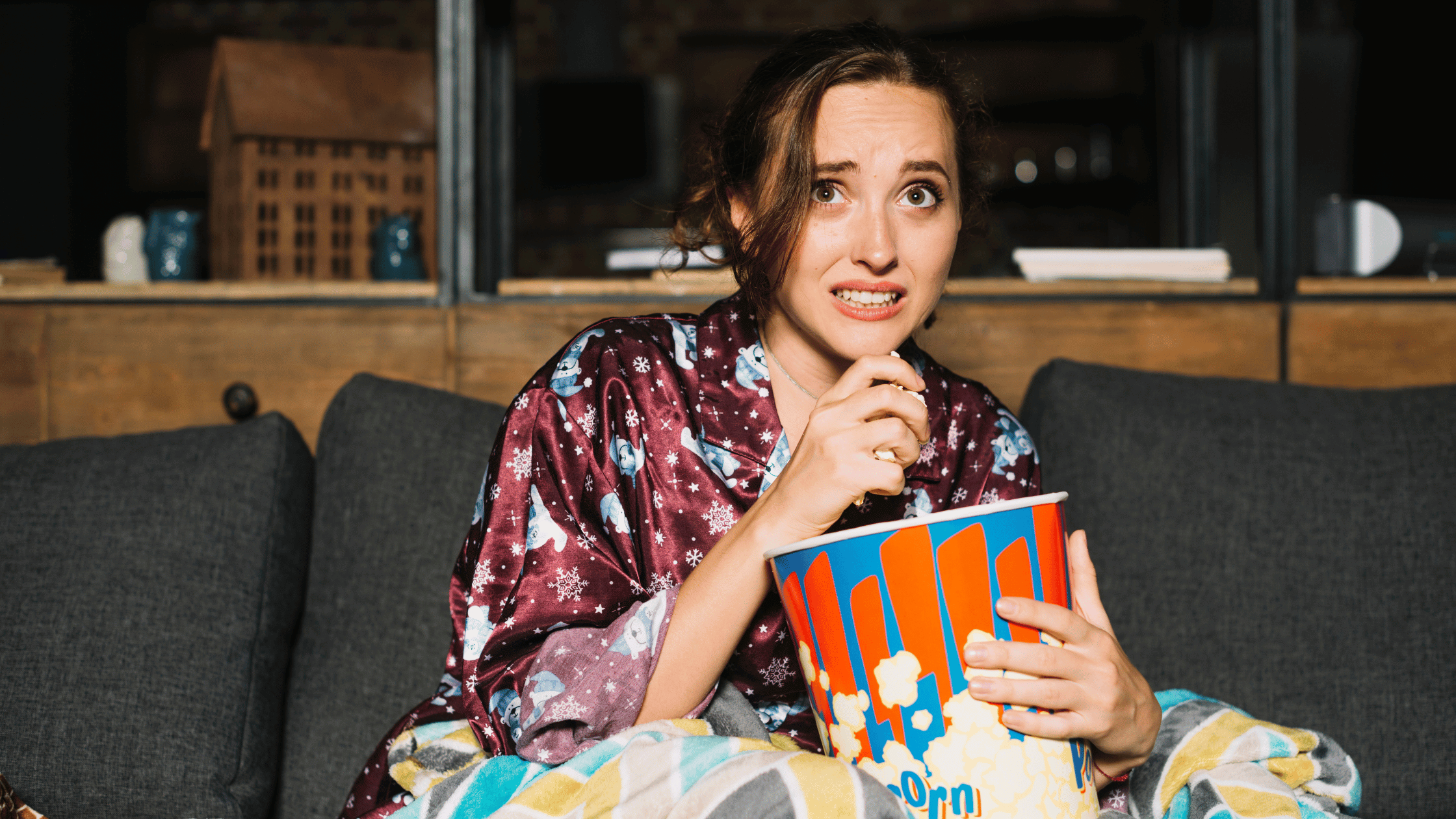
Every October, people willingly spend their evenings watching terrifying things happen on screen. From haunted houses to supernatural thrillers, horror movies invite us to experience fear, suspense, and a rush of excitement, all from the comfort of our couches. Surprisingly, they can also feel comforting, whether we’re rewatching classics or the latest A24 film.
But why do we enjoy being scared? And why do some people find comfort in movies designed to make their hearts race?
For some people, horror movies offer a way to experience fear in a setting that still feels safe and controlled. The suspense is real, but the danger isn’t. That combination can make fear feel exciting rather than threatening.
While it might seem strange to seek out fear when life already comes with plenty of stress, horror movies can offer some viewers an opportunity to experience intense emotions in a controlled environment. They may even provide a sense of excitement, relief, or temporary escape from everyday worries.
This Halloween, let’s explore why getting scared can feel good and what it might mean for our emotional health.
Why Can Getting Scared Feel Good?
Fear is a natural response designed to protect us from danger. When we perceive a threat, our brain activates the body’s stress response, preparing us to react.
When we watch a horror movie, however, we generally know the danger isn’t real. Our hearts might race, our muscles might tense, and we might jump at a sudden noise, but we’re still sitting safely at home. Researchers sometimes call this “recreational fear,” which describes voluntarily seeking out frightening experiences for enjoyment, such as horror movies or haunted attractions.
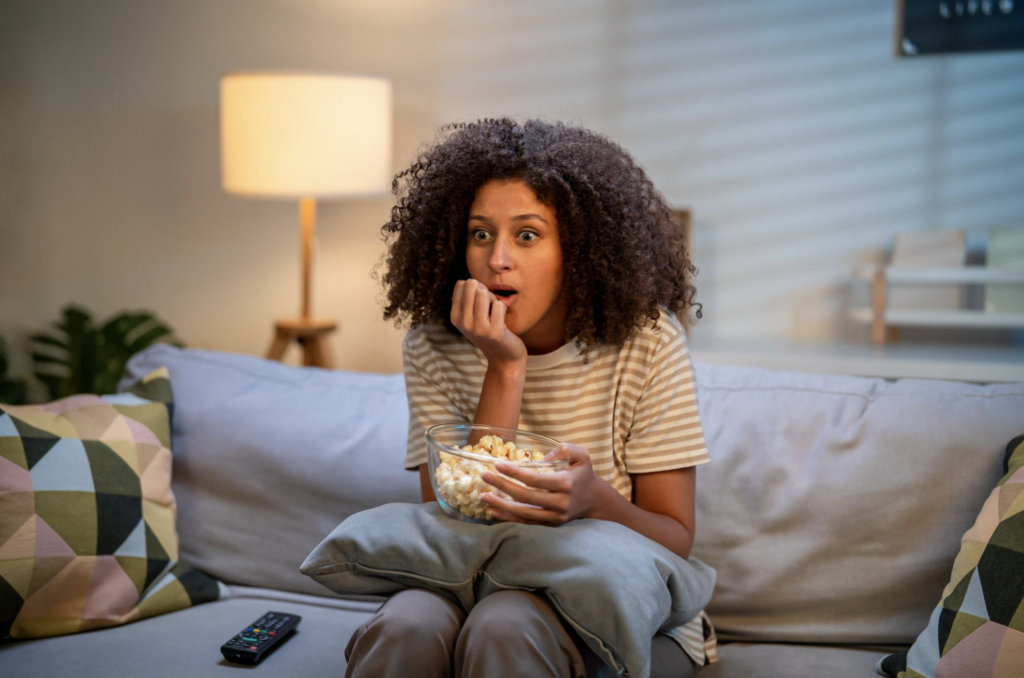
This combination of fear and safety can make the experience exciting rather than overwhelming. There’s anticipation, a burst of suspense, and often a sense of relief when the frightening moment passes.
So, if you’ve wondered why getting scared feels good, part of the answer may be that we enjoy experiencing strong emotions when we feel safe and in control.
ALSO READ: Top 10 Female-Empowering Halloween Costumes That Say “Girl Power!”
What Happens to Your Body During Controlled Fear?
Even when you know a threat is fictional, your body can still show a real physiological response. Your heart rate may increase, your breathing may quicken, and stress-related hormones can contribute to feelings of alertness and excitement.
These reactions are part of the body’s fight-or-flight response. Once the suspense passes, your body may begin to settle, creating a satisfying shift from tension to calm.
This is one reason why horror movies feel comforting and why some people enjoy them so much: they offer an intense experience without requiring them to face actual danger.
However, fear doesn’t automatically reduce stress. Some people feel energized or relieved afterward, while others feel anxious or struggle to sleep. The experience depends on the individual, the content, and the circumstances.
Why Do Horror Movies Feel Comforting?
It might sound contradictory, but some people rewatch horror movies for the same reason others return to their favorite sitcoms: familiarity.
When life feels unpredictable, a familiar movie offers something consistent. You already know which scenes will make you jump, when the tension will build, and how the story ends.
Knowing what to expect may make the experience feel less threatening. Rewatching can also create a greater sense of predictability and control because you already know what’s coming.
For others, horror provides an engaging distraction from everyday responsibilities. Getting absorbed in a fictional mystery can offer a temporary break from work stress, relationship concerns, or the mental to-do list that never seems to end.
Of course, comfort looks different for everyone. One person might find a familiar horror movie relaxing, while another would much rather watch a cozy romantic comedy.
ALSO READ: Top 10 Female TV Characters Who Inspire & Empower
Can Horror Movies Provide an Emotional Release?
Stories give us opportunities to experience emotions we might not always know how to express.
Horror movies can also feel comforting because they often explore themes like vulnerability, grief, isolation, uncertainty, and the fear of losing control. Even when a story involves supernatural creatures, the emotions underneath it can feel deeply human.
Watching a character navigate a frightening situation may help us reflect on our own feelings from a little distance. A story about facing the unknown might resonate with a season of uncertainty in our lives, while a character’s resilience might remind us of our own strength.
Some viewers describe this experience as catharsis, or emotional release. Although research doesn’t establish that horror movies reliably provide catharsis, they can offer an engaging way to explore feelings through storytelling.
Emotional well-being isn’t only about what we do when something is wrong. It’s also about understanding what helps us unwind, what makes us feel energized, and when something starts adding stress instead. Entertainment can be part of that picture, too. Paying attention to how movies affect your mood, stress, and sleep is one small way to better understand what works for you.
The key is noticing how you feel afterward. If a movie leaves you entertained or refreshed, that may be a positive experience. If it leaves you distressed, there’s no need to force yourself to enjoy it.
When Can Scary Movies Become Unhelpful?
Horror movies aren’t enjoyable or relaxing for everyone. For people who experience anxiety, nightmares, sleep difficulties, or trauma-related distress, frightening content may intensify uncomfortable feelings rather than relieve them.
If you enjoy horror but want to protect your emotional well-being, try these simple practices:
- Know your limits. Choose content that feels manageable, and give yourself permission to stop watching.
- Pay attention to your emotions. Notice whether you feel entertained and energized or increasingly anxious.
- Protect your sleep. If scary movies leave you unsettled at night, consider watching earlier in the day.
- Make time to unwind. Talk with a friend, watch something lighthearted, or enjoy a familiar bedtime routine afterward.
If anxiety, trauma-related symptoms, or sleep difficulties are affecting your daily life, consider talking with a qualified mental health professional.
ALSO READ: How Stress Affects Women Differently (And What You Can Do About It)
What to Watch This Halloween: New Horror Movies and Shows in October 2026 Featuring Women
Looking for something spooky to add to your Halloween watchlist? This October has a mix of new psychological horror, supernatural stories, and familiar franchises worth checking out.
- Carrie — Premiered October 7 on Prime Video, Mike Flanagan’s miniseries reimagines Stephen King’s classic story about a teenage girl with extraordinary powers.
- Crystal Lake — Hit Peacock just this past October 15th––this Friday the 13th prequel explores the story behind Pamela Voorhees and the infamous horror franchise, starring Linda Cardellini.
- Other Mommy — Released in theaters October 9, this supernatural horror film stars Jessica Chastain in a chilling story about an eight-year-old girl who encounters an entity that looks just like her mother. If psychological horror and creepy, can’t-look-away suspense are your thing, add this one to your list.
Whether you love a full-blown scare or prefer a suspenseful mystery, there’s something fun about gathering your favorite people, grabbing a cozy blanket, and enjoying a little fictional fear. Just remember: the best Halloween watch is one that leaves you entertained, not genuinely distressed!
Enjoy the Scare, but Pay Attention to Your Mental Health
There’s something fascinating about the way our minds respond to fear. Under the right circumstances, getting scared can feel exciting, engaging, and even comforting. For some people, horror movies offer a familiar escape, a chance to explore difficult emotions through storytelling, or simply a fun way to celebrate Halloween.
Still, there’s an important distinction between something that feels therapeutic and actual therapy. Horror movies may offer enjoyment, distraction, or a sense of relief for some people, but they are not a treatment for anxiety, trauma, or other mental health conditions.
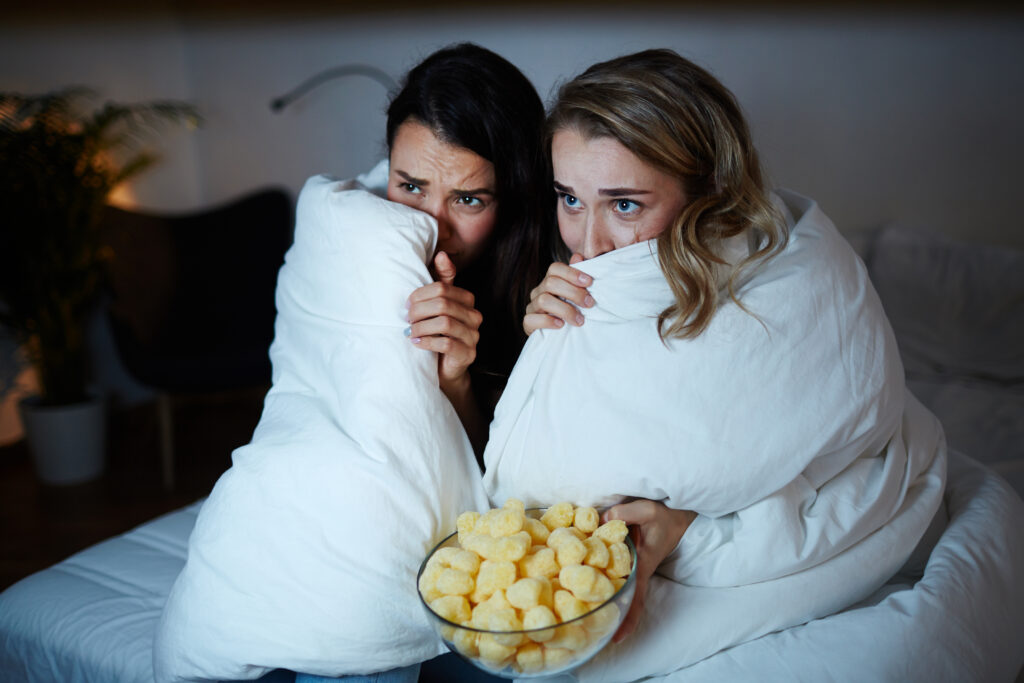
Taking care of your emotional health doesn’t have to look the same for everyone. It might mean watching a scary movie with friends, journaling, going for a walk, or reaching out to someone you trust.
This Halloween, give yourself permission to enjoy what makes you feel good, and step away from what doesn’t. Your well-being matters more than any seasonal tradition.
READ NEXT: 5 Final Girls In Horror Movies Who Taught Us to Face Our Fears
This article is for educational and informational purposes only and is not a substitute for professional medical or mental health advice, diagnosis, or treatment. People can respond differently to frightening or intense content. If horror movies or other media increase anxiety, disrupt your sleep, trigger trauma-related symptoms, or negatively affect your daily life, consider limiting that content and talking with a qualified healthcare or mental health professional. If you are experiencing a mental health emergency or thoughts of suicide or self-harm, call or text 988 or seek emergency care.