Chat with us
The Three Foundations of Women’s Health: Sleep, Nutrition & Exercise

When it comes to your health, there’s no shortage of advice: what to eat, how to work out, how much sleep you need. It can feel overwhelming, especially when every new trend promises a “quick fix.” But the truth is, long-term wellness doesn’t come from extremes. It comes from consistently caring for your body in three foundational ways: sleep, nutrition, and exercise. These three foundations of women’s health are the building blocks of your physical, mental, and hormonal health, and they’re deeply connected, not just simply “nice-haves.” When one is off, the others often follow.
Let’s break down what each one really means, and what “healthy” actually looks like.
1. Sleep: The Reset Your Body Can’t Skip
Sleep is often the first thing we sacrifice, yet one of the most important things we need.
It’s during sleep that your body:
- Repairs tissues and muscles
- Balances hormones
- Supports brain function and memory
- Strengthens your immune system

Do women need more sleep?
Research suggests that women may actually need slightly more sleep than men, often by about 20–30 minutes per night.
Why? Women’s brains tend to engage in more multitasking throughout the day, which can increase the need for recovery at night. Hormonal fluctuations (like those during menstrual cycles, pregnancy, and perimenopause) can also impact sleep quality, meaning women may need more rest to feel fully restored.
How much sleep do you need?
Most adult women need 7–9 hours per night, but some may feel best closer to the higher end of that range.
Signs you’re not getting enough:
- Constant fatigue, even after “a full night’s sleep”
- Brain fog or trouble concentrating
- Mood swings or irritability
- Increased cravings (especially sugar and carbs)
Simple ways to improve sleep:
- Stick to a consistent sleep schedule (yes, even on weekends)
- Limit screen time before bed
- Create a calming nighttime routine
- Keep your room cool, dark, and quiet
Sleep is essential, it’s not lazy. It tops the list for the three foundations of women’s health. Often people use not getting enough sleep as some medal of honor to show that they’re working hard or constantly busy, but lack of sleep is detrimental. In the long run, your body will start shutting down if you don’t give it rest.
Prioritizing rest is one of the most powerful ways to support your overall health.
Also read: Is Binge Watching Messing With Your Hormones? What Every Woman Should Know
2. Nutrition: Fueling Your Body, Not Fighting It
Nutrition, simply put, is about giving your body what it needs to function, heal, and thrive. It’s what you consume to support your daily activities and mental stability. It’s not about restriction or “dieting,” but about fueling your mind and body.
Every system in your body—from your hormones to your energy levels—depends on what you eat.

What a balanced diet consists of:
Instead of focusing on “good” vs. “bad” foods, aim for balance:
- Protein: supports muscle, hormones, and satiety
- Healthy fats: essential for brain and hormone health
- Carbohydrates: your body’s main energy source
- Fiber: supports digestion and gut health
Vitamins & minerals: found in fruits, vegetables, and whole foods
What does a “balanced meal” actually look like?
A simple way to build a balanced plate:
- ½ your plate: vegetables and/or fruit (fiber + nutrients)
- ¼ your plate: protein (chicken, fish, eggs, tofu, beans)
- ¼ your plate: carbohydrates (rice, potatoes, pasta, whole grains)
- Add healthy fats: avocado, olive oil, nuts, or seeds
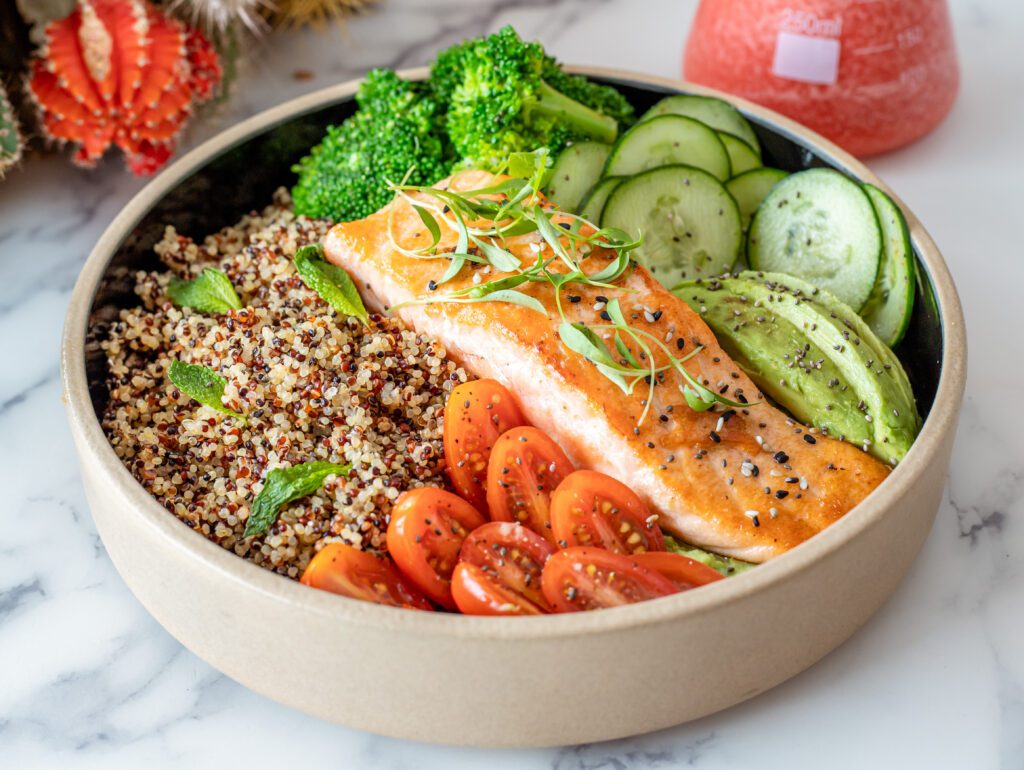
Example meal:
Grilled salmon + roasted vegetables + quinoa + a drizzle of olive oil
This combination helps stabilize blood sugar, keep you full longer, and provide steady energy throughout the day.
Also read: Food Insecurity: What It Is and How We Can Fight It
Key habits to focus on:
- Eat regularly (skipping meals can disrupt energy and hormones)
- Stay hydrated throughout the day
- Incorporate whole, nutrient-dense foods
- Allow flexibility—your diet doesn’t have to be perfect to be healthy
Signs your nutrition may need attention:
- Low energy or frequent crashes
- Hair thinning or brittle nails
- Digestive issues
- Irregular menstrual cycles
Food is not the enemy. It’s information for your body. Nourish it well and your body will do more for you than it can when you don’t give it what it needs. As one of the three foundations of women’s health, ensuring that you’re eating nutritious meals will benefit you now and much later on in life.
Also read: Understanding Disordered Eating and Eating Disorders
3. Exercise: Moving Your Body with Purpose
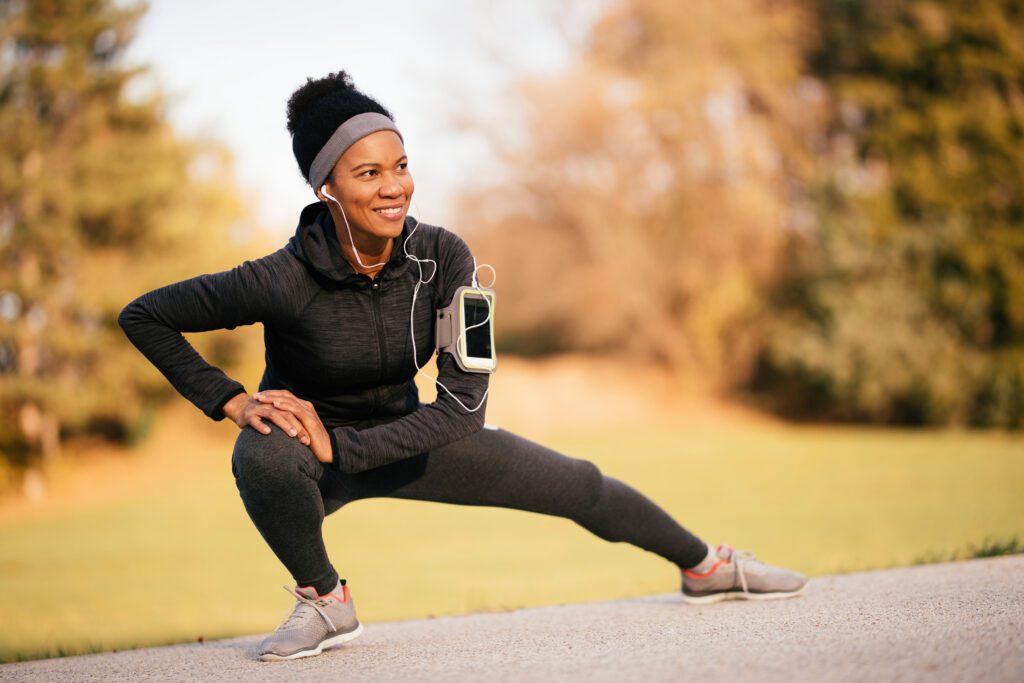
Exercise is more than about appearance. it’s about strength, longevity, and feeling good in your body.
Regular movement helps:
- Improve heart health
- Build and maintain muscle
- Support mental health
- Regulate hormones
- Boost energy levels
How much exercise do you need?
General guidelines recommend:
- 150 minutes of moderate activity per week (like walking or cycling), or
- 75 minutes of vigorous activity (like running or high-intensity workouts)
Plus 2 days of strength training
A simple weekly routine you can follow:
If you’re not sure where to start, here’s an easy, balanced approach:
3 days of strength training (20–30 minutes):
- Squats
- Lunges
- Push-ups (modified or full)
- Dumbbell or bodyweight rows
- Core work (planks, dead bugs)
2–3 days of cardio (20–30 minutes):
- Brisk walking
- Cycling
- Jogging
- Dance or fitness classes
- Hiking
Daily movement:
- Light walking, stretching, or mobility work (Yoga, Pilates)

1–2 rest days:
- Essential for recovery and hormone balance
The key: consistency over intensity
You don’t need to work out every day or push yourself to exhaustion. What matters most is finding movement you enjoy—and sticking with it.
Signs you may need more (or less) movement:
- Low energy or stiffness
- Trouble sleeping
- Feeling constantly fatigued (could also mean overtraining)
- Increased stress or anxiety
Your body is designed to move, but it also needs rest. Balance is everything. Exercise is one of the three foundations of women’s health because without it, your body becomes more prone to sickness and losing muscle. Building had maintaining muscle mass is scientifically proven to help you live longer and avoid illness.
Also read: How to Work Out According to Your Menstrual Cycle
How It All Works Together
Sleep, nutrition, and exercise aren’t separate, they’re deeply connected.
- Poor sleep can increase cravings and reduce motivation to exercise
- Lack of proper nutrition can impact energy, recovery, and sleep quality
- Overtraining without enough rest can disrupt hormones and lead to burnout
When you support one area, you naturally strengthen the others.
Where to Start
If you’re feeling overwhelmed, start small.
- Go to bed 30 minutes earlier
- Add one balanced meal to your day
- Take a 10-minute walk
You don’t have to overhaul your life overnight. Sustainable health is built through small, consistent choices.
The Bottom Line
There’s no one-size-fits-all approach to health—but there are foundations that support every woman.
Sleep. Nutrition. Exercise.
When you prioritize these three, you’re not just improving your health. You’re investing in your energy, your confidence, and your future.
And you deserve to feel your best.
*Consult with your doctor first if you have underlying health issues that may affect your dietary needs as well as before starting any new exercise routine.