Chat with us
Pap Smears, HPV, and Early Detection: Why Cervical Cancer Awareness Month Matters

January is Cervical Cancer Awareness Month, a time dedicated to educating women about cervical health, prevention, and early detection. Cervical cancer is one of the most preventable and treatable cancers when caught early, yet many women delay or skip routine screenings due to fear, misinformation, or lack of access to care.
At For Every Woman, we believe every woman deserves accurate information, compassionate care, and the confidence to advocate for her health. Cervical Cancer Awareness Month is an opportunity to prioritize your well-being and take proactive steps toward lifelong reproductive health.
Why Cervical Health Matters
The cervix plays a vital role in reproductive health, acting as the gateway between the uterus and the vagina. Changes to cervical cells—often caused by high-risk strains of the human papillomavirus (HPV)—can develop slowly and without symptoms. Routine screenings are essential because they can detect abnormal cells before they become cancerous.
Early detection for cervical cancer saves lives. When cervical changes are identified early, treatment is often simple and highly effective.
Early Signs of Cervical Cancer
In its early stages, cervical cancer often has no noticeable symptoms, which is why routine Pap smears and HPV screenings are so important. As the disease progresses, however, some women may begin to experience warning signs. Knowing what to watch for—and trusting your instincts—can make a critical difference.

Common signs and symptoms of cervical cancer may include:
- Abnormal vaginal bleeding, such as bleeding between periods, after intercourse, or after menopause
- Unusual vaginal discharge, which may be watery, thick, foul-smelling, or tinged with blood
- Pelvic pain or pressure not related to your menstrual cycle
- Pain during sexual intercourse
- Heavier or longer menstrual periods than usual
In more advanced cases, symptoms may also include fatigue, back pain, leg pain or swelling, or unexplained weight loss.
These symptoms can be caused by many conditions—not just cervical cancer—but they should never be ignored. If something feels off or different from your normal baseline, it’s important to seek medical care promptly.
What to Expect During a Pap Smear
A Pap smear is a quick screening test that checks for abnormal or precancerous cells on the cervix. In some cases, it is done alongside an HPV screening, which screens for high-risk strains of HPV that can lead to cervical cancer.
Most women should begin Pap smears at age 21 and continue at recommended intervals based on age and medical history.
What Happens During the Exam?
- You’ll lie back on an exam table, similar to a routine pelvic exam
- A speculum is gently inserted into the vagina to allow the provider to view the cervix
- A small brush or swab is used to collect cervical cells
- The entire process typically takes just a few minutes
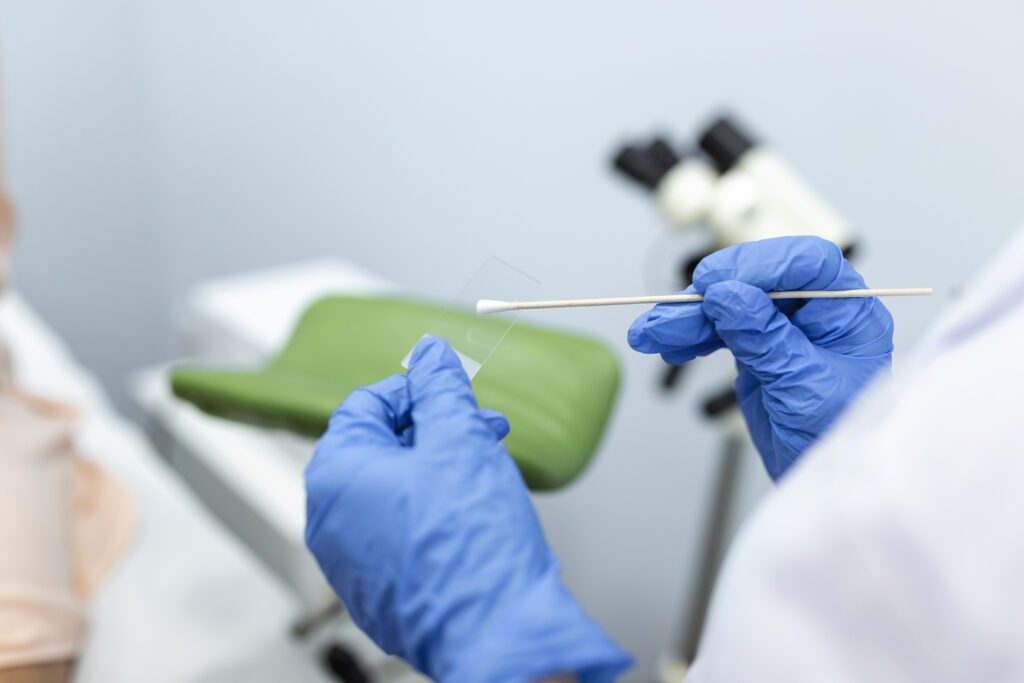
While you may feel mild pressure or discomfort, the test should not be painful. If you are feeling anxious, it’s okay to speak up—your provider can slow down, explain each step, or help you feel more comfortable.
Cervical cancer prevention starts with getting screened.
After the Pap Smear
- You may experience light spotting, which is normal
- Results are usually available within a few days to a couple of weeks
Most results come back normal; if abnormalities are found, it does not automatically mean cancer—often it simply means closer monitoring or follow-up testing is needed.
Also read: New Year, New Care: Reproductive Health Resolutions Every Woman Should Consider
Taking Charge of Your Cervical Health
Cervical health is an essential part of whole-woman wellness. In addition to regular Pap smears, women can protect their cervical health by:
- Staying up to date on recommended screenings
- Learning about HPV and prevention options
- Seeking care promptly if experiencing unusual symptoms like abnormal bleeding or pelvic pain
- Choosing a healthcare provider who listens, respects concerns, and provides compassionate care
At For Every Woman, we are committed to equipping women with education, resources, and support so no woman feels alone or uninformed when it comes to her health.
This Cervical Cancer Awareness Month, Take the First Step
Whether it’s scheduling a long-overdue Pap smear, learning more about your body, or encouraging a friend to prioritize her cervical health, small steps make a big difference. Your health matters—today and for every season of life.
Start your cervical cancer prevention journey by booking a Pap smear appointment today.
Read next: Cervical Cancer Awareness: What Every Woman Should Know