Chat with us
The Oscars and the Pressure to Be Perfect: What Hollywood’s Performance Culture Means for Women’s Health
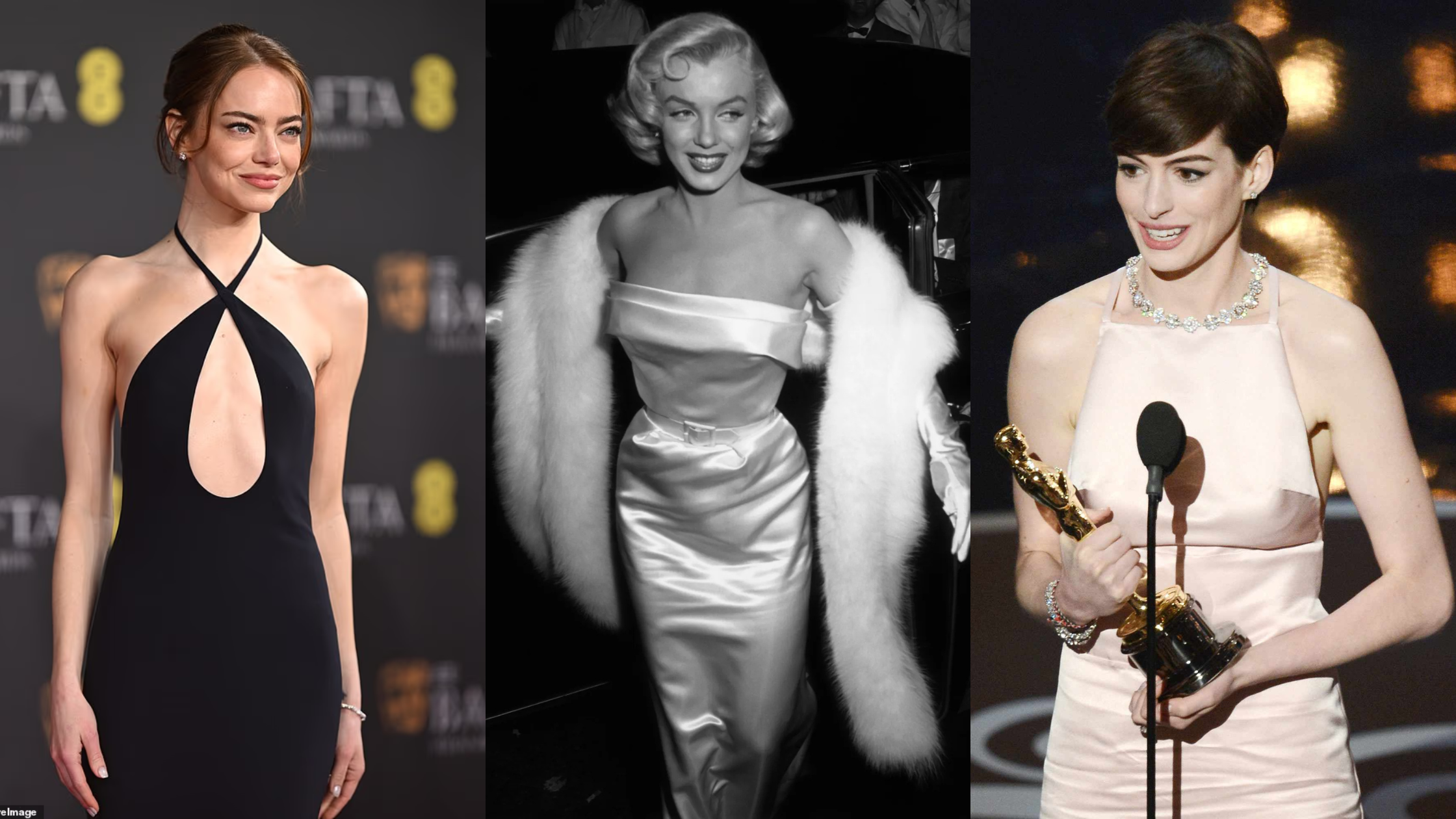
As the Academy Awards––aka The Oscars––approach, conversations center on talent, storytelling, and transformation. Award-winning performances are often described as fearless, committed, and fully immersive. Most recently, comments around Emma Stone’s performance in Bugonia has shifted from her daring take on the role to how her body has changed as she’s been on the awards circuit.
But behind many of Hollywood’s most celebrated roles is something we don’t talk about enough: the physical and emotional toll on women’s health.
For decades, actresses have reshaped their bodies, altered their routines, and pushed their psychological limits in pursuit of authenticity. Sometimes that transformation involves weight loss or weight gain. Other times, it involves emotional depletion, physical injury, or long-term strain on mental health.
The artistry is real. But so is the cost.
A Long History of Physical “Transformation” in Oscars Culture
Some of the most celebrated Oscar performances by women have involved drastic physical changes.
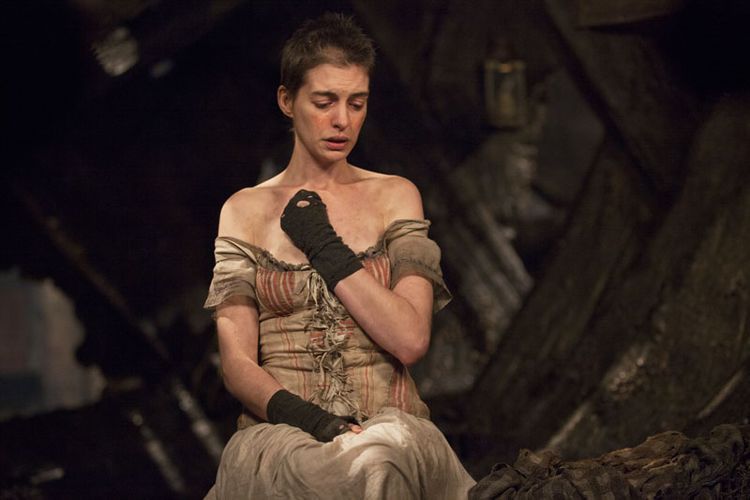
Take Anne Hathaway’s performance as Fantine in Les Misérables (2012), an Oscar-winning turn that demanded drastic weight loss and a shaved head to portray a dying street worker. She reportedly lost up to 25 lbs for the role, only eating two thin squares of dried oatmeal paste a day to achieve her “emaciated” look. She later reflected that pushing her body to that extreme took a real toll physically and emotionally, and that “it was nuts.”
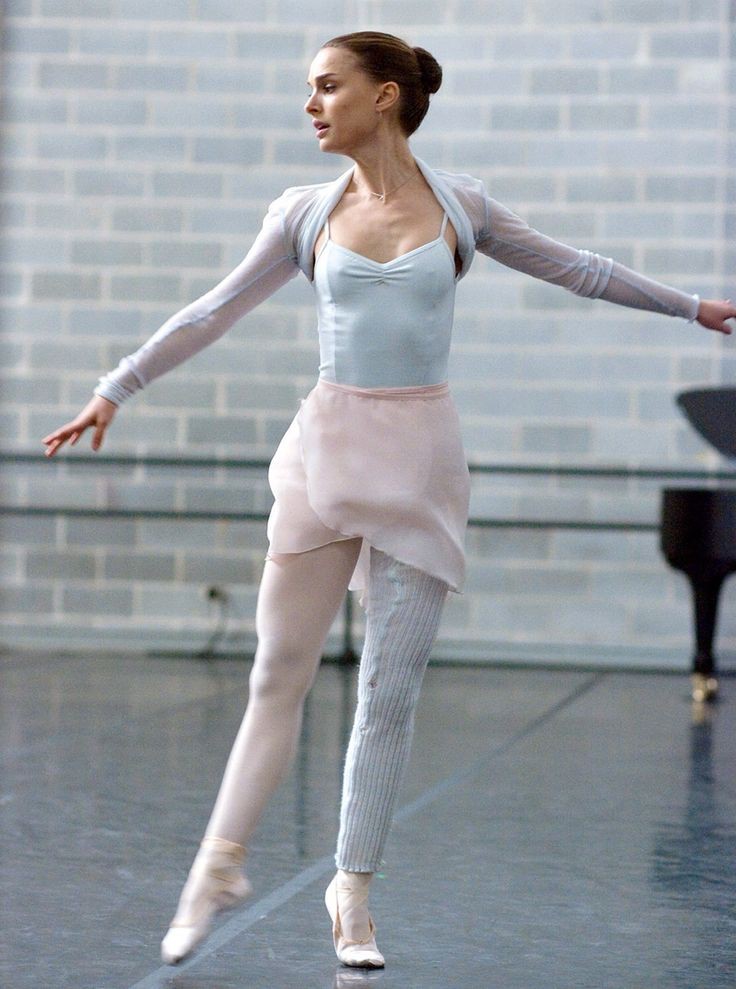
Or Natalie Portman’s intense training (16 hours/day) for Black Swan (2010), where grueling ballet rehearsals and a strict diet helped shape her Oscar-winning performance, but also exposed her to the harsh realities of professional dancer body standards.
Even actresses like Jennifer Lawrence, who once lost over 15 lbs in two weeks for her role in Red Sparrow, described the process as the first time she was truly “hungry” for a part. She has since openly challenged Hollywood’s expectations of women’s bodies, an industry that closely monitors weight, size, and “marketability.”
Going the Extreme
On the opposite end, performances such as Charlize Theron’s Oscar-winning portrayal of Aileen Wuornos for Monster, had her overeating on a diet of high-sugar, fatty foods such as donuts and potato chips, and skipping exercise to lose all her muscle. She admitted to drinking alcohol everyday to “feel” the character’s lifestyle.
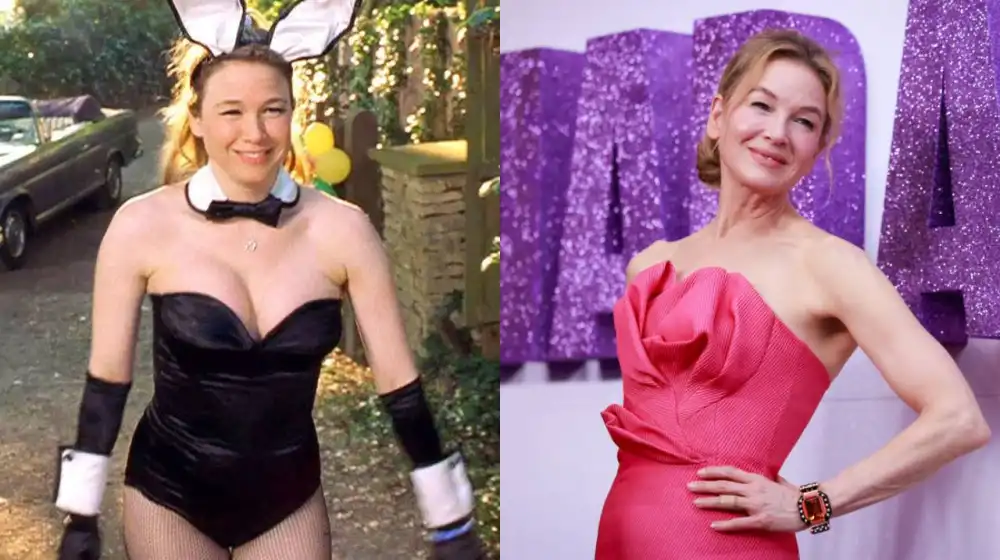
Renee Zellweger’s claim to fame as Bridget Jones also had her on a high-calorie diet in order to gain 30 pounds, leading to criticism from tabloids poking fun at her weight. After years of the media only asking about her weight gain for the role in subsequent films, her response was this: “No male actor would get such scrutiny if he did the same thing for a role.” The role still garnered her a Best Actress nomination at the 2002 Oscars.
While these performances are undeniably powerful, they raise uncomfortable questions: Why is physical depletion so often rewarded as artistic commitment, especially for women? And why when an actress gains weight for a role is pressure put on her to lose it immediately?
When Emotional Immersion Becomes Psychological Strain
Not all transformation is visible.
Shelley Duvall’s performance in The Shining remains one of the most haunting portrayals of fear in cinema. During filming, director Stanley Kubrick reportedly subjected her to repeated takes and intense psychological pressure to heighten her on-screen breakdown. Duvall later described the experience as emotionally exhausting and traumatic.
Hollywood history includes painful reminders of how psychological strain can compound under public scrutiny. Actresses like Judy Garland and Marilyn Monroe faced relentless industry pressure around appearance, performance, and marketability.
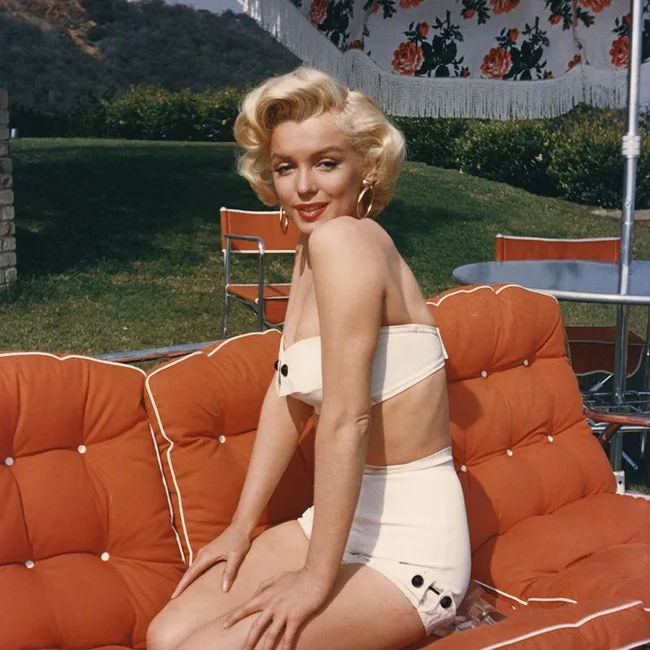
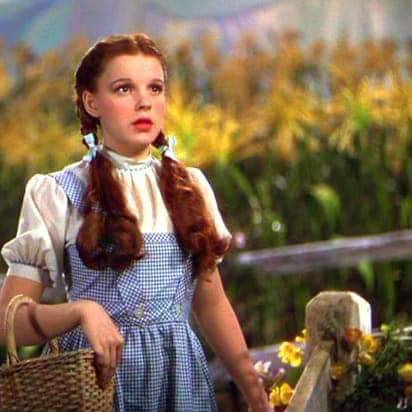
Garland was reportedly placed on extreme diets and given stimulants from a young age to maintain a specific image. Her lifelong struggles with addiction and mental health were shaped, in part, by these early demands. Monroe, too, endured intense scrutiny about her weight and public persona while privately battling anxiety and emotional distress.
It would be simplistic to attribute any woman’s health struggles to a single cause. But it is fair to acknowledge that an industry built on perfection and image can amplify vulnerability.
This pressure is not new. It is woven into Hollywood’s foundation.
Also read: A Heart Check This February: Why Emotional Self-Checks Matter
When Body Image Becomes Part of the Role
More recently, fans voiced concern over visible weight loss by Ariana Grande and Cynthia Erivo during promotions for Wicked, where both were nominated for Oscars in acting categories last year. Online conversations quickly turned from admiration to worry, showing how deeply audiences are conditioned to track women’s bodies, even when well-intentioned. Fans openly expressed concern on social platforms about how their appearances had changed over time and how that could impact viewers’ perception of body norms.
This kind of scrutiny affects more than celebrities.

For younger women watching the Oscars, scrolling social media, or idolizing these stars, the message can be subtle but powerful: success looks thin. Rapid weight loss becomes framed as discipline, sacrifice, and professionalism, rather than a potential risk to physical and emotional health.Grande herself has addressed online speculation about her body, pushing back against these narratives and reminding fans that outward appearance isn’t always an indicator of health…but sometimes, it is.
Also read: Sisterhood Takes Center Stage: A Wicked for Good Review
The Real Impact of Performance Culture on Women’s Health
Performance culture doesn’t just affect actresses; it shapes broader ideas about women’s health and worth. When thinness or extreme transformation is consistently associated with praise, beauty, and achievement, it reinforces unrealistic standards that many women already struggle to meet.
The emotional toll can include:
- Disordered eating patterns
- Anxiety around appearance
- Body comparison and self-criticism
- A distorted view of what “healthy” actually looks like
Physically, rapid weight changes and extreme preparation can disrupt hormones, mental health, and long-term physical well-being. Younger women and girls watching these stars may internalize the idea that dramatically altering their bodies— especially rapid or dramatic—is admirable or aspirational.
This pressure isn’t new, but it’s intensified in an age of social media, where visibility is high and commentary is a free-for-all. We now diagnose bodies based on photos, further reinforcing insecure self-comparisons. What used to be private prep for a film can now turn into widespread debate about bone structure, genetics, and metabolic health.
Also read: New Year, New Care: Reproductive Health Resolutions Every Woman Should Consider
Redefining Success and Rethinking Standards
There’s no denying the artistry and talent behind performances that win awards. Actresses commit to their craft in deeply impressive ways. But in celebrating those performances, we must also question what we celebrate about them.
Weight, body shape, and rapid changes shouldn’t be the markers of dedication. At For Every Woman, we believe women’s health should never be collateral damage in the pursuit of success. We can admire powerful storytelling without glorifying physical harm or emotional burnout.
Great art should never require women to harm themselves or abuse their health.The Oscars can be a moment not just to honor exceptional acting, but to reflect on how we talk about performance, health, and female bodies.
Read next: Eating Disorder Awareness Month: Understanding Disordered Eating and Eating Disorders