Chat with us
Is Binge Watching Messing With Your Hormones? What Every Woman Should Know
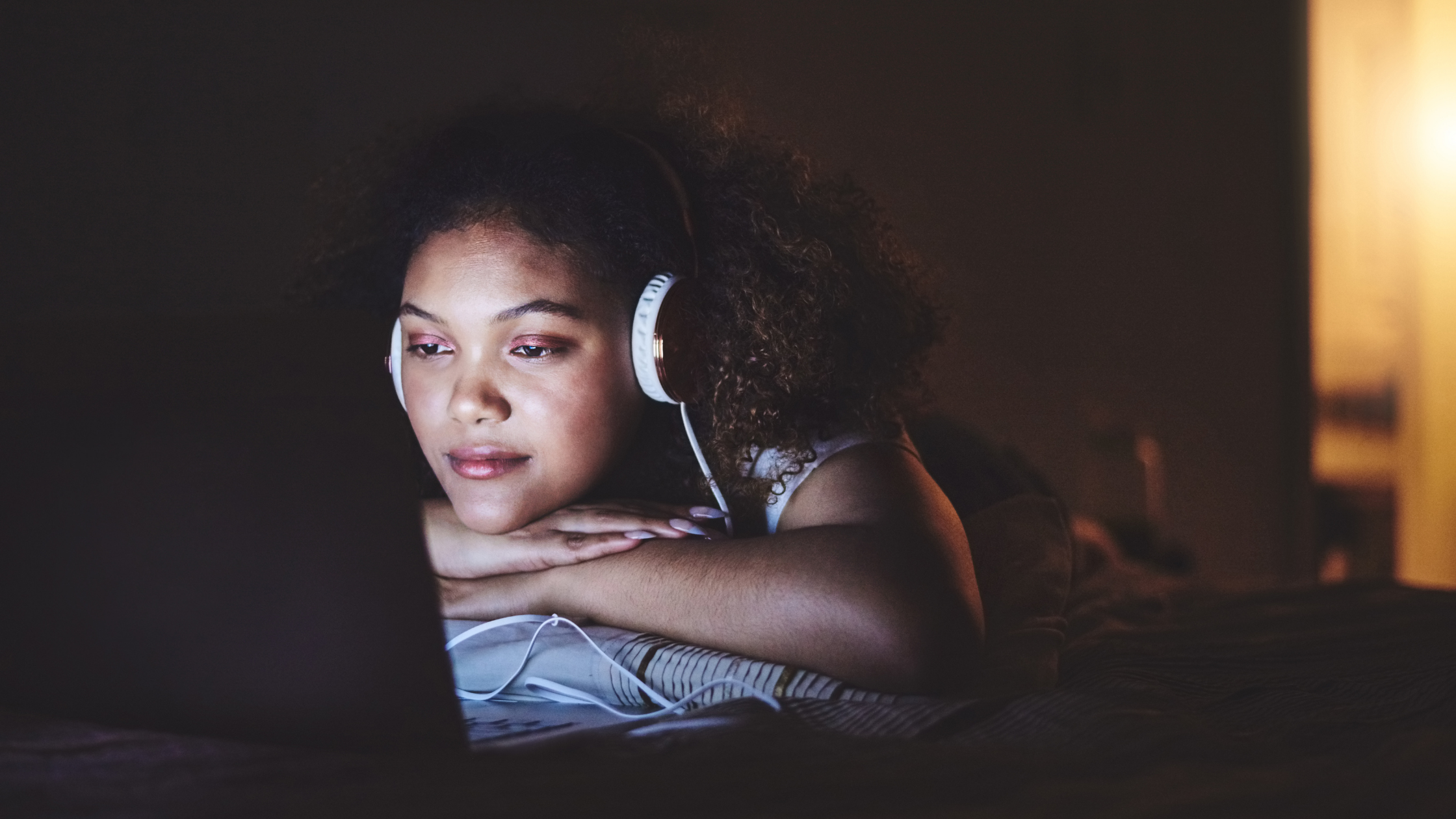
It’s that time of year when our screen time goes up, and our energy levels go down. When it’s chilly outside, there is nothing better than cozying up on the couch and binging your favorite show (especially with a new season of Stranger Things dropping). But while those holiday TV-binge sessions feel comforting, could they actually be affecting your hormones?
Let’s dive into the science behind bed-rotting in front of a screen and the signs that your binge-watching habits might be doing more than just entertaining you.
Your Brain on Binge-Watching
We all know that dopamine-induced, cozy-in-a-blanket coma we escape to after a long week. You don’t want to think. You want to turn your brain off and get lost in something exciting, thrilling, romantic, or magical. If this sounds familiar, you’re not alone. The average American watches about 2.6 hours of TV every day.
But what is actually happening in your brain when you turn on Secret Lives of Mormon Wives or dive into Hawkins with Mike, Will, Nancy, and Steve?
Here’s the truth: your brain responds as if you’re in the show with them.
So when you turn on an intense show like Stranger Things and watch characters fight off monsters, your brain can’t fully tell the difference between the stress on the screen and stress in real life.
Hormone expert Mike Kocsis says, “The symptoms of feeling scared or feeling excited mirror each other. As a result, the body reacts to watching dramas and thrillers in the same way as it does when it’s in love.”
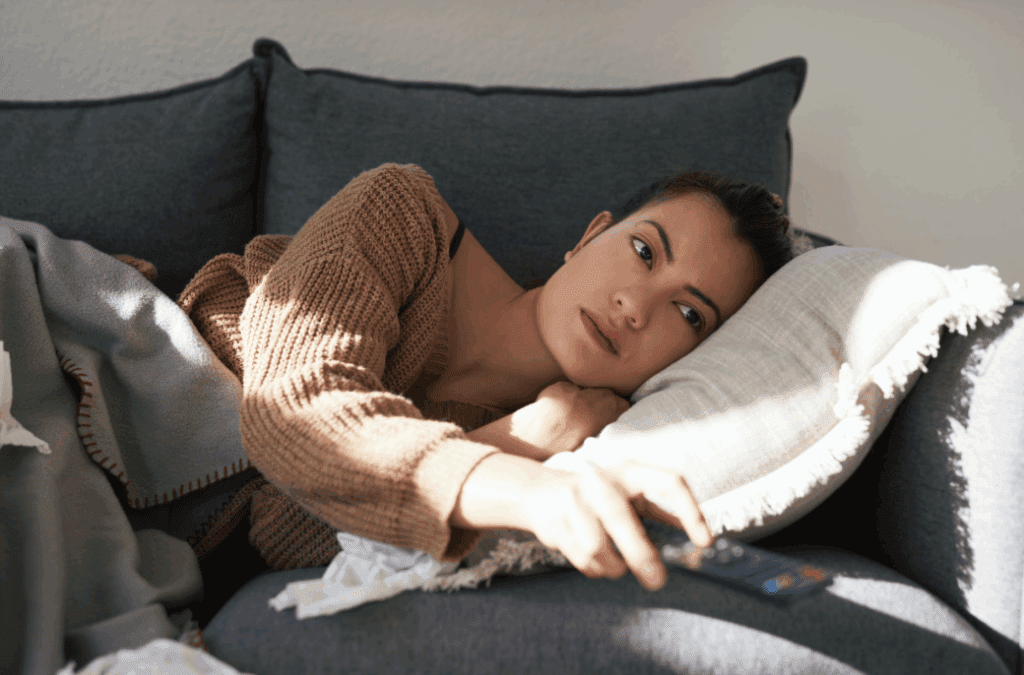
Physiologically, binge-watching can cause:
- Heart rate to rise by 42%
- Blood pressure to increase
- Reduced blood flow to the gut (bloating and digestive discomfort)
So, while your body is relaxing, your brain is going through it.
Dopamine and Your Favorite Show
Some of us still remember times before streaming, when you had to wait a whole week for the next episode of your favorite show to come out. Now, when you sit down to start a new show, you can finish a whole season in one day. While this might make for the best bed rotting time of your life, it also affects the dopamine receptors in your brain. The dopamine spike creates a reward loop that drives binge-watching behavior.
Kocsis notes this cycle can lead to addictive like cravings for shows and characters.
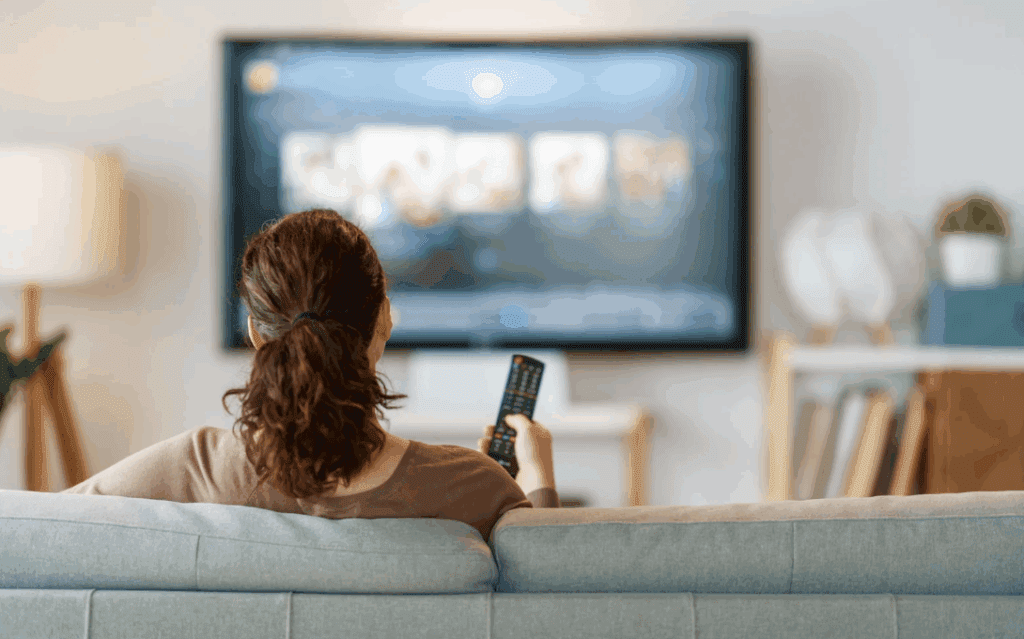
Your brain is literally getting rewarded for staying up late and watching “just one more.” But what does this mean for your sleep?
Blue Light, Sleep Loss, & Hormones
Blue light from TVs, laptops, and phones suppresses melatonin, the hormone that helps you fall asleep and stay asleep. A U.S. study of more than 120,000 adults found that nighttime screen use was linked to higher rates of poor sleep and almost one hour less sleep each week. For women, sleep affects everything. It regulates estrogen, progesterone, and cortisol, as well as the menstrual cycle. When you stay up late watching TV, your hormones feel the strain the next day.
Screen Time & Fertility?
It might seem shocking or unbelievable, but all of this stress on your hormones added up can actually affect your fertility. That’s right. Researchers and fertility specialists are seeing patterns between high screen time, poor sleep, stress, insulin resistance, and disrupted ovulation. One fertility expert noted that excessive screen habits can be an indirect contributor to infertility. The issue is not the screen itself. The problem is the way screen habits shift the rhythms that support regular cycles, ovulation, and overall hormonal balance.
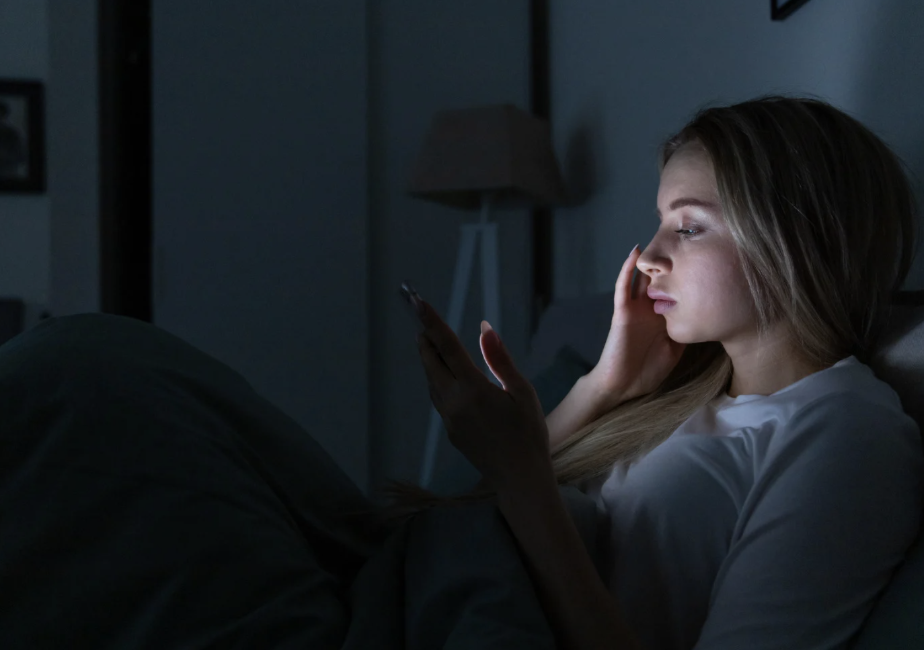
Are you feeling the effects? Signs Screen time is affecting your health
If you’re reading this and thinking back to all the times the Netflix screen popped up and asked, “Are you still watching?” do not panic. There are signs of binge-watching that you can look out for, and enjoying an occasional marathon does not mean you are messing up your hormones.

But here are a few signs your body may need a break:
- Feeling wired at night but exhausted in the morning
- More intense PMS
- Irregular cycles
- Anxiety after binge-watching
- Lower motivation or libido
- Waking up groggy even after a whole night in bed
- Emotional exhaustion after certain shows
- Bingeing to escape stress instead of to enjoy yourself
Protect Your Hormones
If you’ve noticed these symptoms in your life, don’t stress. Here are a few ways to combat the binge-watching blues:
- Stop watching about one hour before bed
- Trade your screen for a good book at night
- Use night mode or blue light filters
- Avoid watching TV in a completely dark room
- Move your body every 30 to 40 minutes
- Try unplugged evenings
- Put your phone away during partner or family time
Treat your hormones like a child, take care of them, be consistent, give them rest, and don’t overstimulate yourself daily. If you wouldn’t sit with a child in front of a high-action TV show, then plop them in their crib, don’t do the same to yourself!
Binge-watching & Hormones
You don’t need to give up your favorite shows. It’s okay to catch up on the next volume of Stranger Things, stay aware, and have boundaries. Your hormones work hard for you every single day. They deserve rhythms that feel calm, steady, and supportive. Enjoy your binge-watching moments, but protect your sleep, your peace, and your body’s natural balance. Your health matters more than the next episode!
Read more about your hormones on our blog: Understanding Women’s Hormonal Health: A Comprehensive Guide