Chat with us
Dry January: How Women Are Giving Up Alcohol and Why It Matters
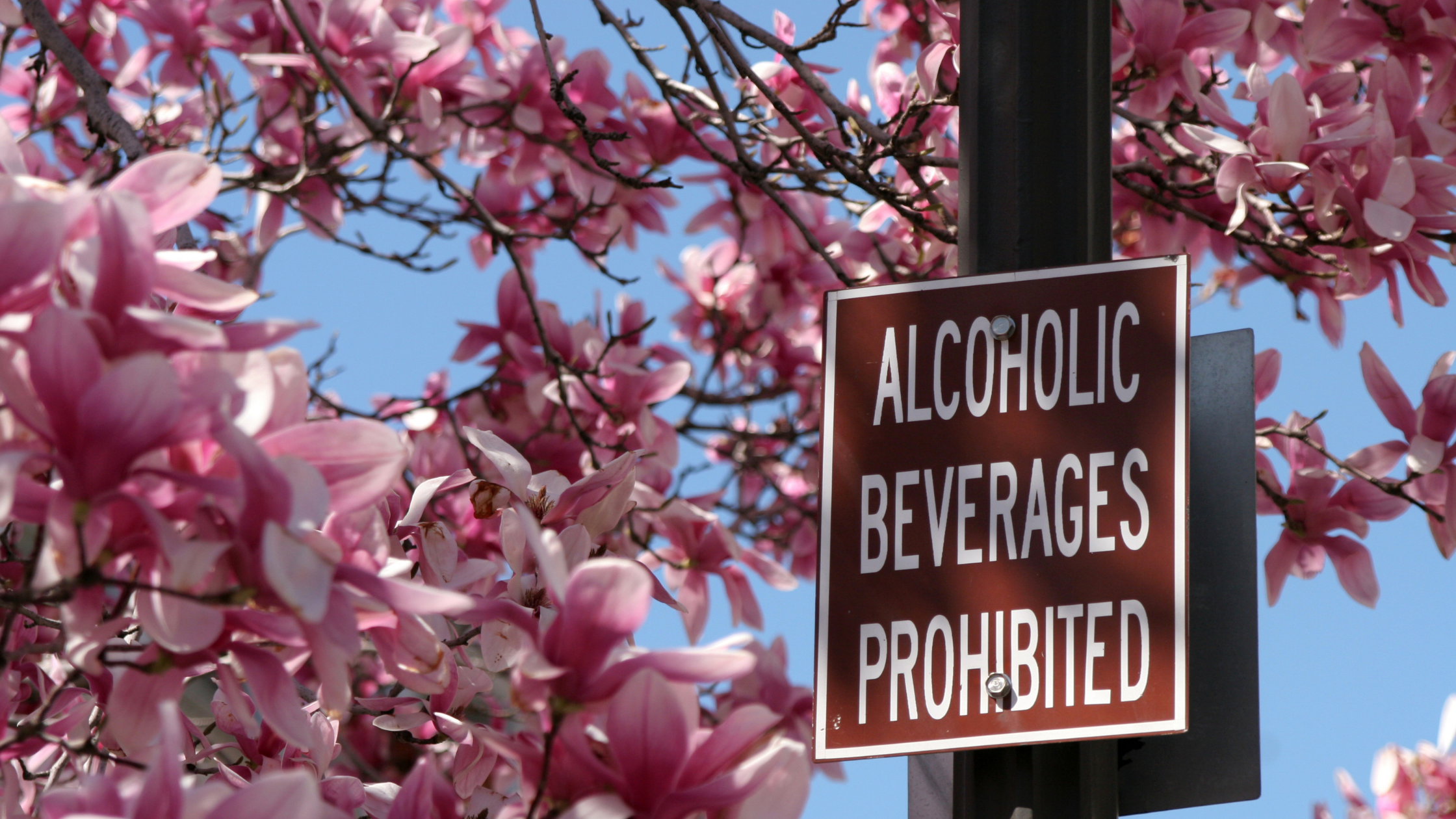
After the holidays, full of rich meals and maybe a little too much eggnog, many women decide to take a break from alcohol and try something called Dry January. For one month, you stop drinking and let your body and mind reset.
Dry January is about finding out what happens when you stop drinking alcohol. What happens when you trade your nightly glass of wine for a mocktail or sparkling water? How does your body feel when alcohol is no longer in the picture? Let’s look at a few of the ways women often notice changes when they take a break.
Fun Fact: Did you know alcohol affects women differently than men?
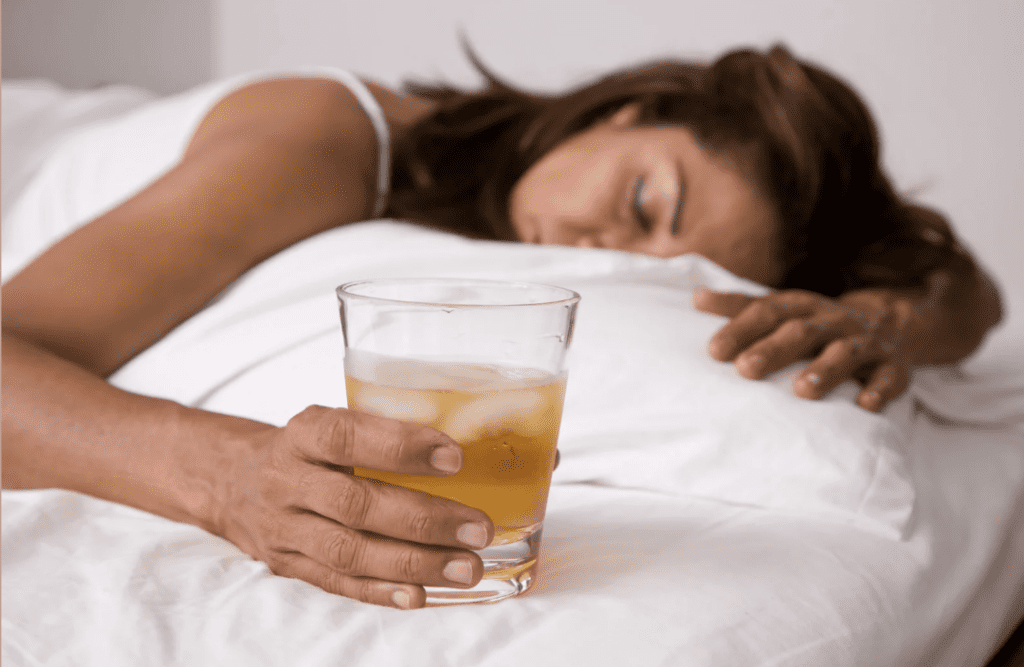
You read that right. It’s partly due to the presence of an enzyme called alcohol dehydrogenase (ADH), which metabolizes alcohol. Men naturally have a higher presence of ADH in their bodies, meaning women absorb more alcohol in their systems, increasing intoxication.
Benefit #1: Mental Health and “Hangxiety” Relief
Ever heard of “hangxiety”? It’s that feeling you get the morning after, maybe one too many drinks with friends. You wake up with this heavy sense of regret, feeling anxious, but you can’t quite figure out why. And while it might feel like it’s just because you went a little too hard at karaoke, there’s actually a real scientific reason behind it.
Alcohol affects the GABA (gamma-aminobutyric acid) receptor. These are chemicals in your brain that help regulate calm and stress. While you are drinking, those calming signals increase, but as the alcohol wears off, your brain tries to rebalance itself. In the process, stress-related chemicals can spike, leaving you with that overwhelming feeling of stress in the morning.
Giving up alcohol gives your brain a break from that mentally exhausting chemical imbalance and can help you wake up feeling calmer and more clear-headed each morning.
Benefit #2 Better Sleep and Energy
You might be thinking, wait… isn’t my nightly glass of red wine what helps me fall asleep so fast? And while alcohol can make you feel drowsy, it doesn’t actually mean you’re getting good rest.

A study conducted by the Sleep Foundation found that high amounts of alcohol decreased sleep quality by 32.9%. As your body processes alcohol overnight, it can disrupt the brain signals that keep your sleep steady, leading to lighter sleep and more midnight bathroom trips.
When you start sleeping better, you naturally have more energy during the day, and that ripple effect can support everything from your mood to your overall health.
Benefit #3: Hormones, Bloating, and Feeling Your Best
If you’ve ever felt puffy, swollen, or uncomfortable after drinking, it’s not just in your head. Alcohol can inflame the lining of your stomach and intestines, slow down digestion, and cause your body to hold onto extra water. That’s why after a weekend of drinking, your jeans might feel tighter, your face might look puffier, and your stomach might feel bloated for days.
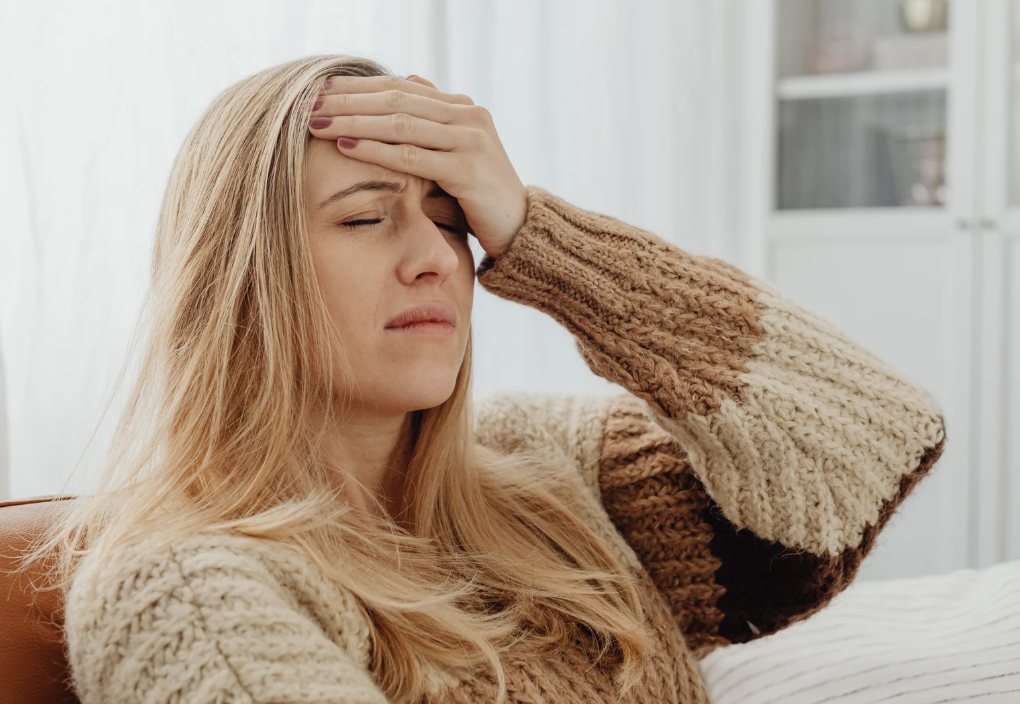
Alcohol also affects your hormones, like estrogen and cortisol, which play a big role in how much water your body retains and how inflamed you feel. When these hormones are thrown off, many women notice:
- worse PMS
- more mood swings
- more bloating around their cycle
When you pause alcohol consumption, your body finally gets a chance to take a break from the inflammation. It could be the best self-care practice you try all year!
Dry January: Is It Worth It?
Even though we’re well into the new year, it’s never too late to start fresh. Your Dry January can begin any day you choose. If you’ve been wondering whether alcohol might be affecting how you feel, or you’re just looking for small ways to support your health in the new year, taking a break from drinking could be one of the best decisions you make.
If you want more ways to care for your body this season, you can explore our other health and wellness blogs here:
New Year, New Care: Reproductive Health Resolutions Every Woman Should Consider
Winter Wellness for Women: Nutrition, Immunity & Hormone Health